Situated Futures [Editorial]
Designed at
V-A StudioYear
2026
Creative Direction
Felipe Regis, João Simões
Editorial Design
Felipe Regis
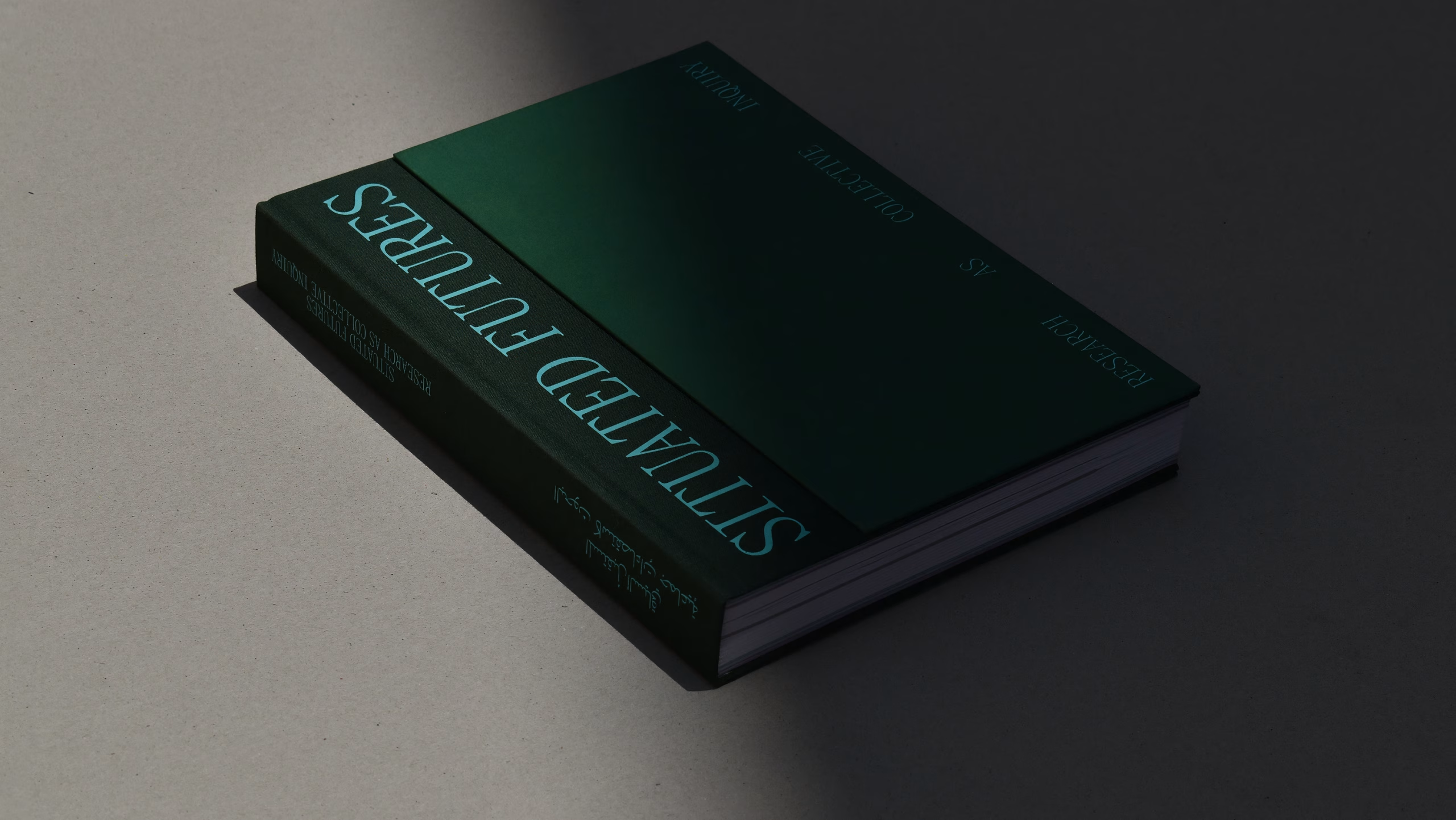
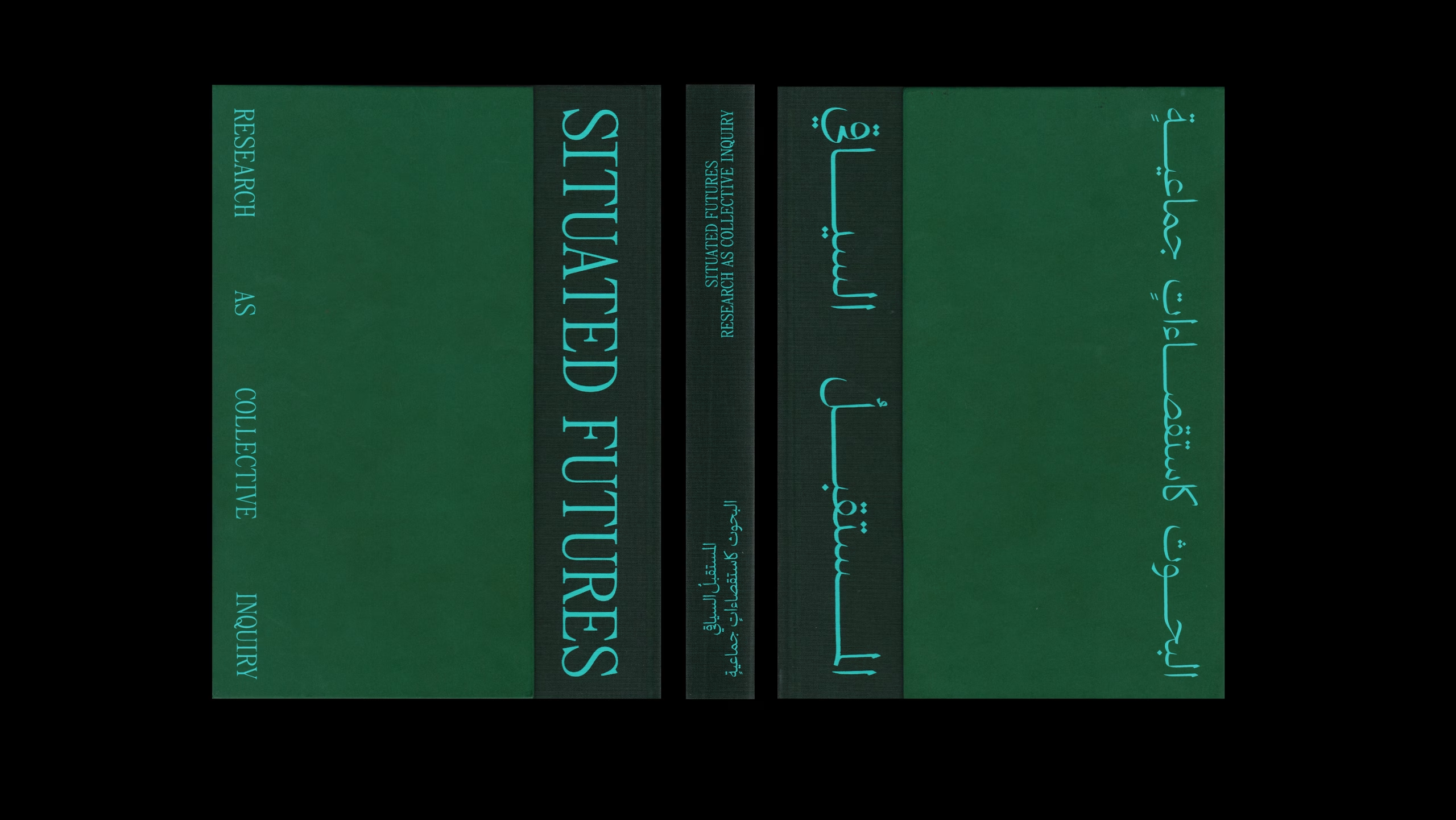
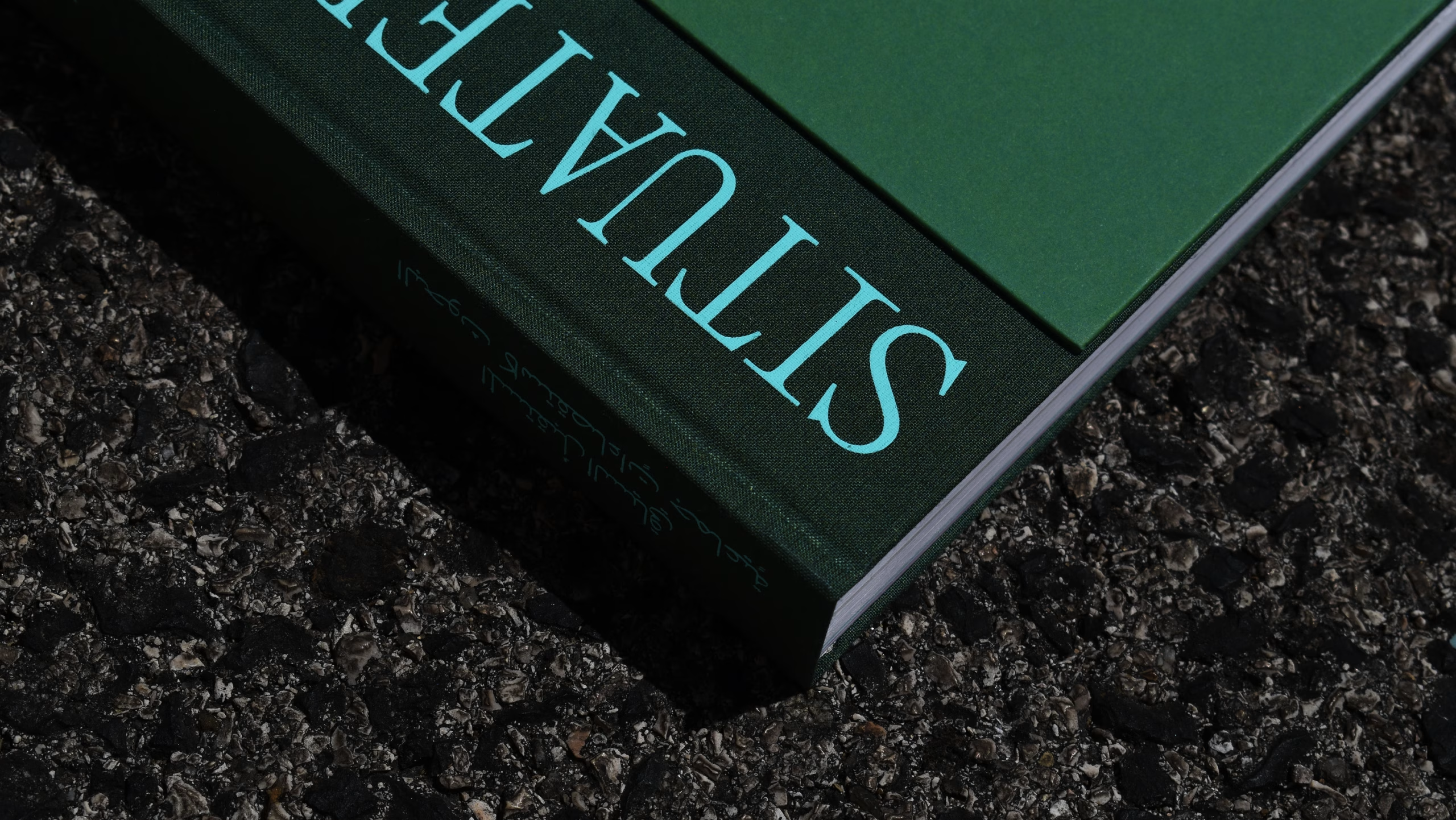
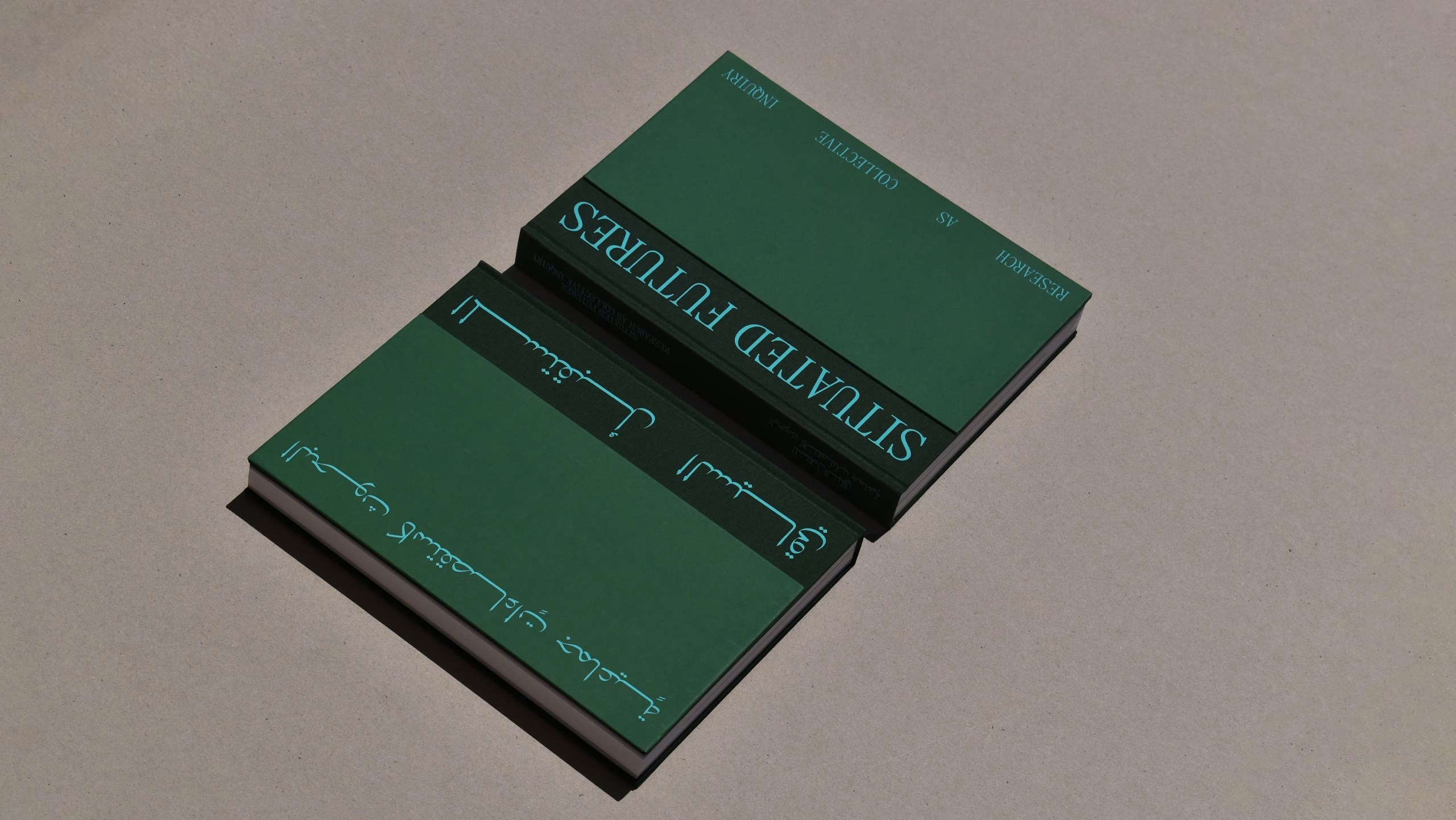
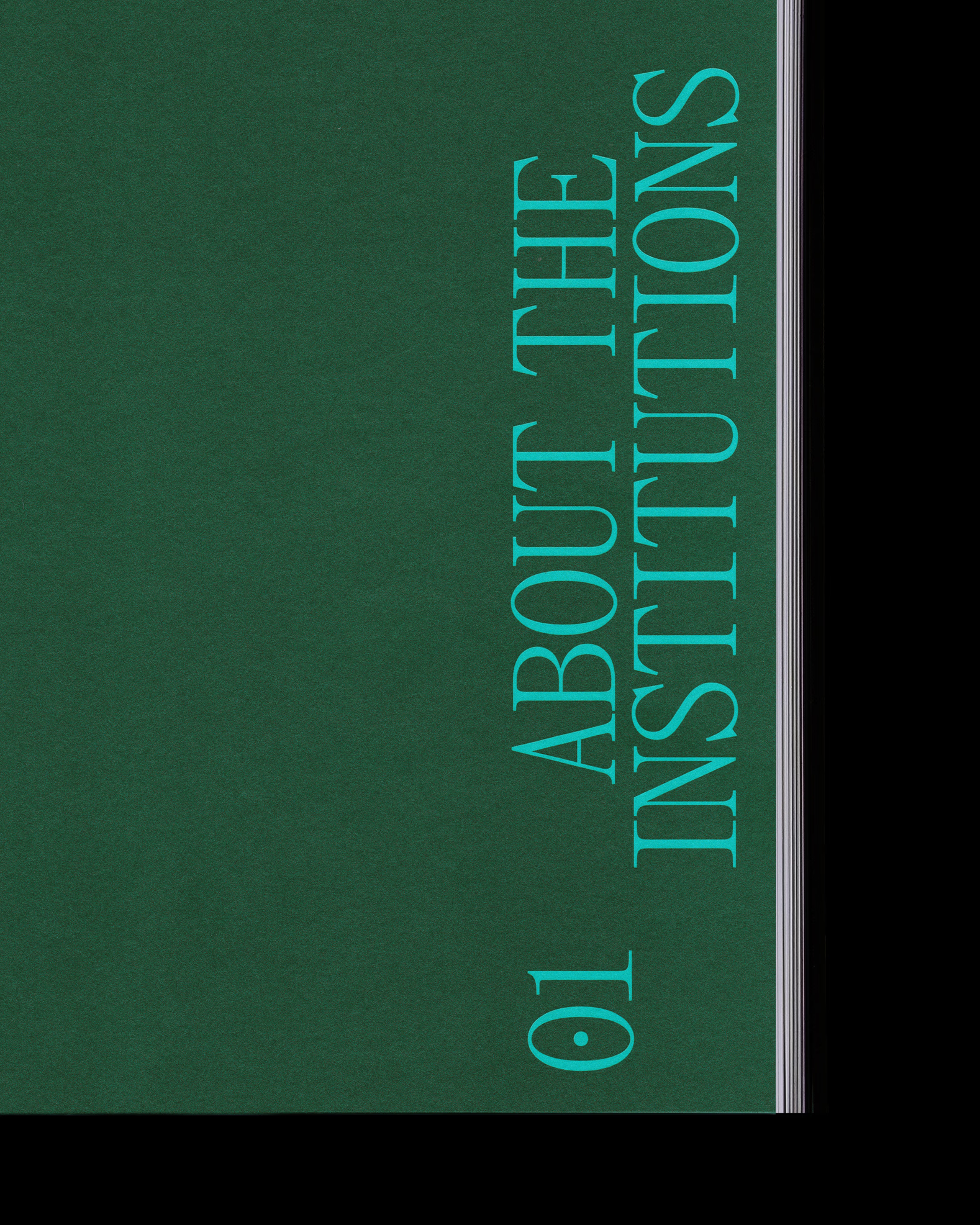
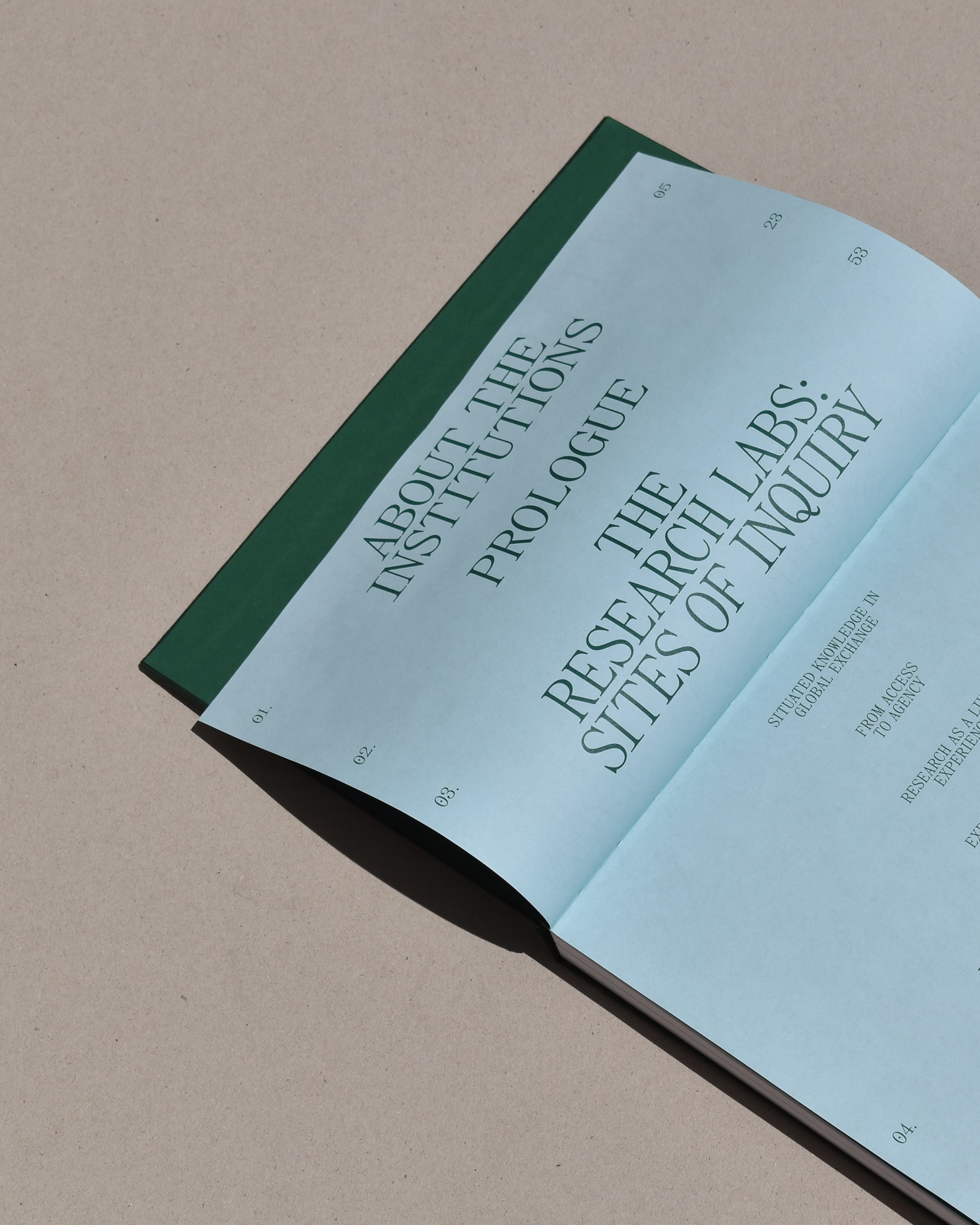
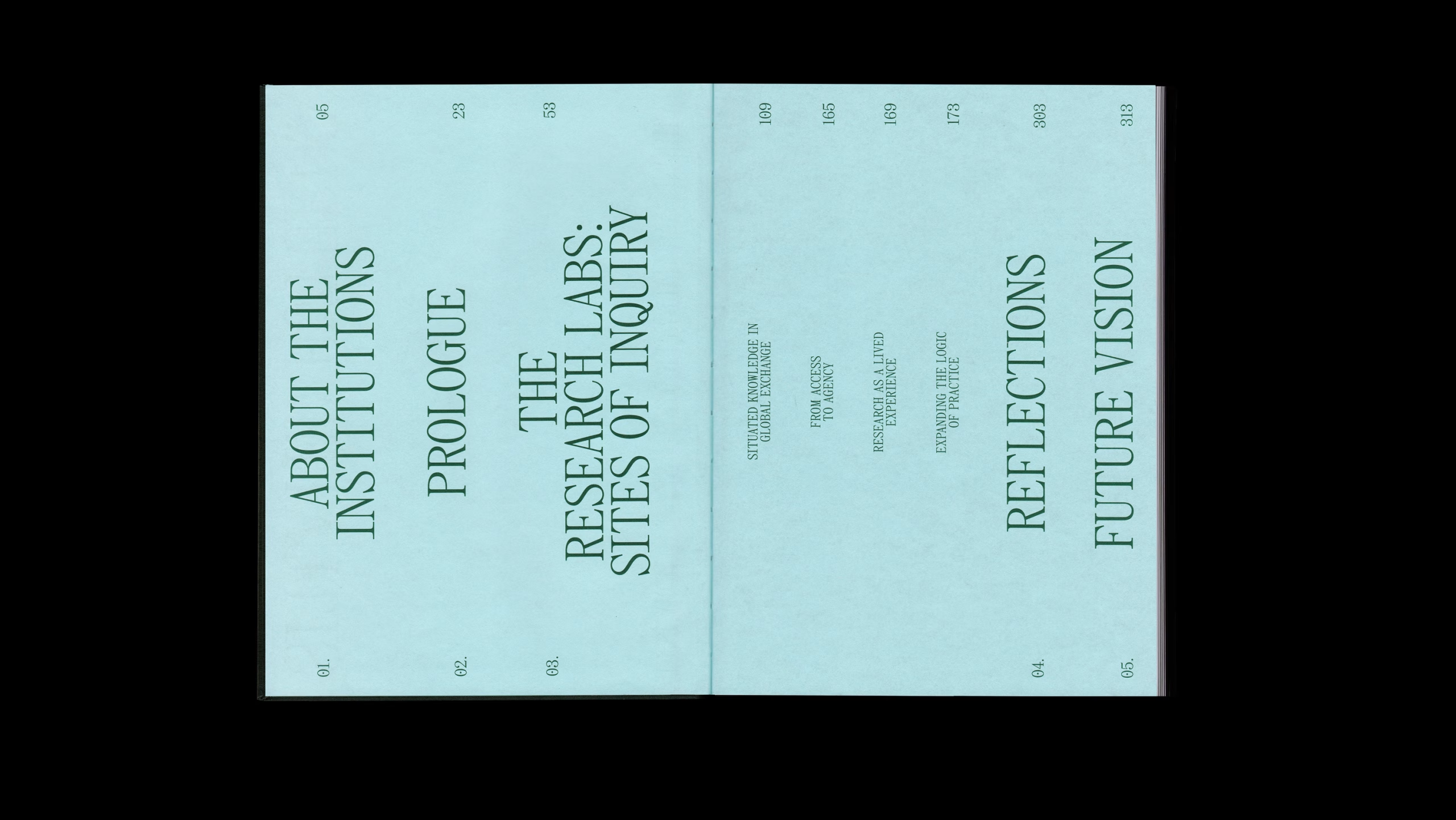
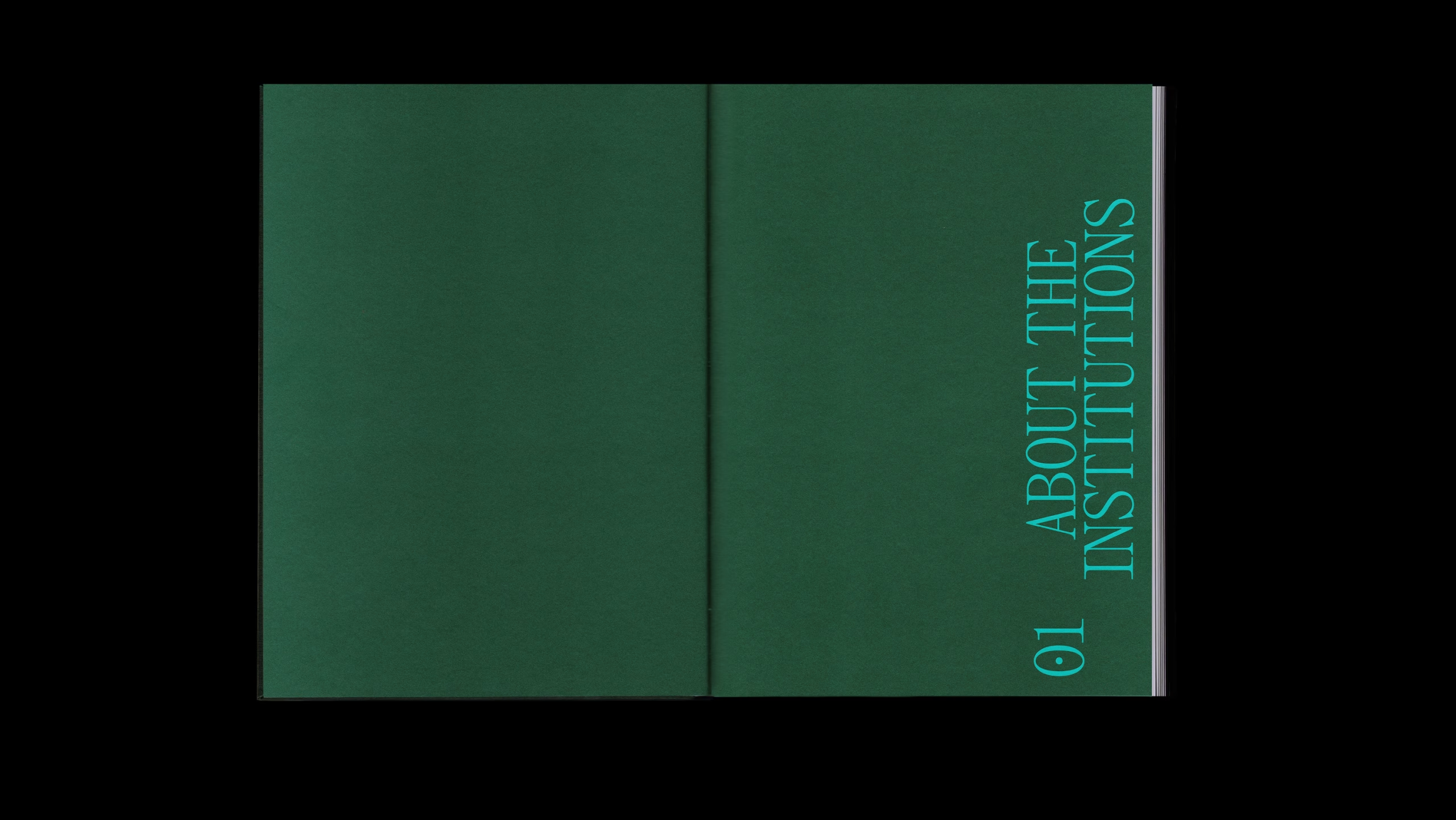
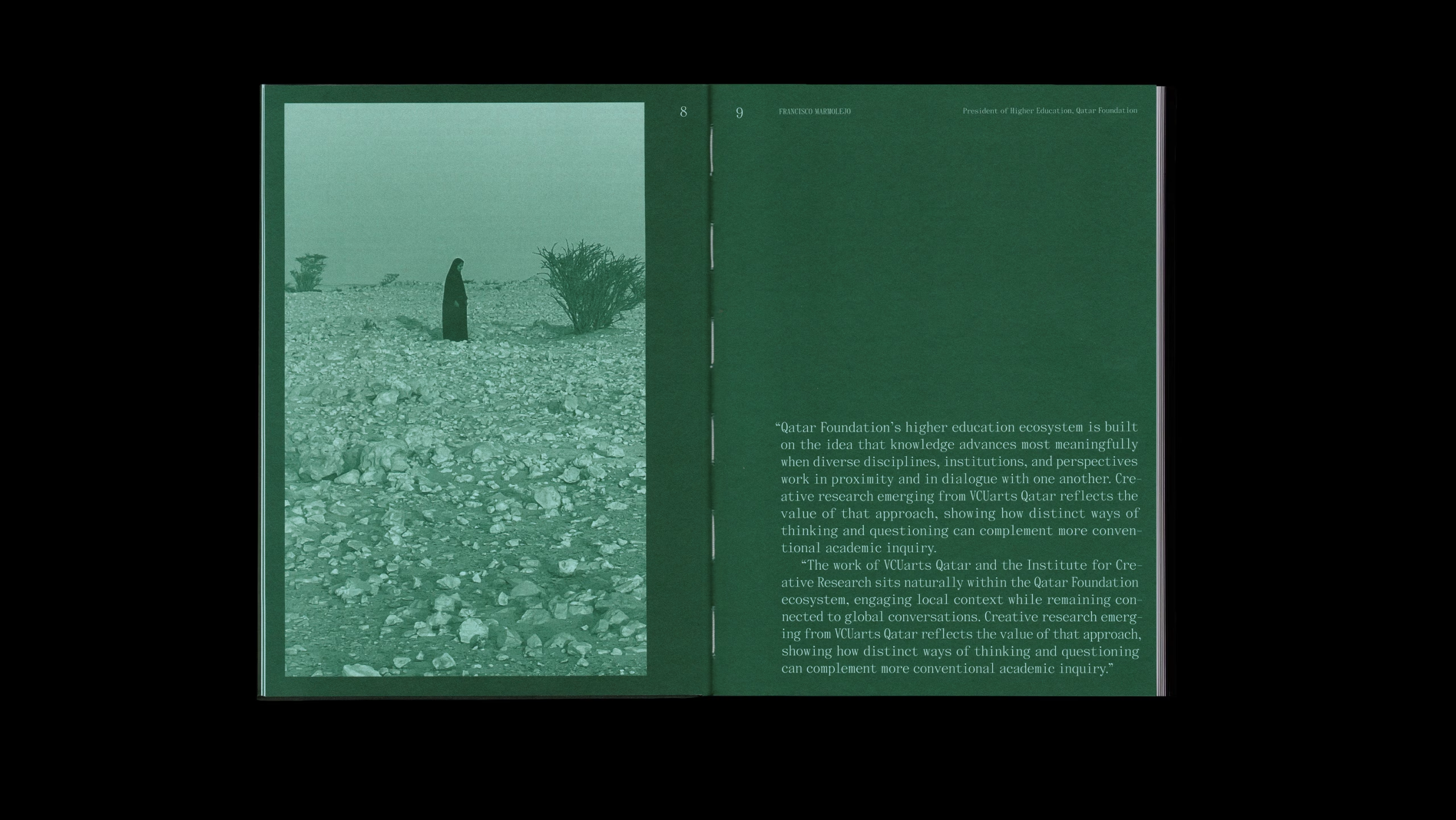
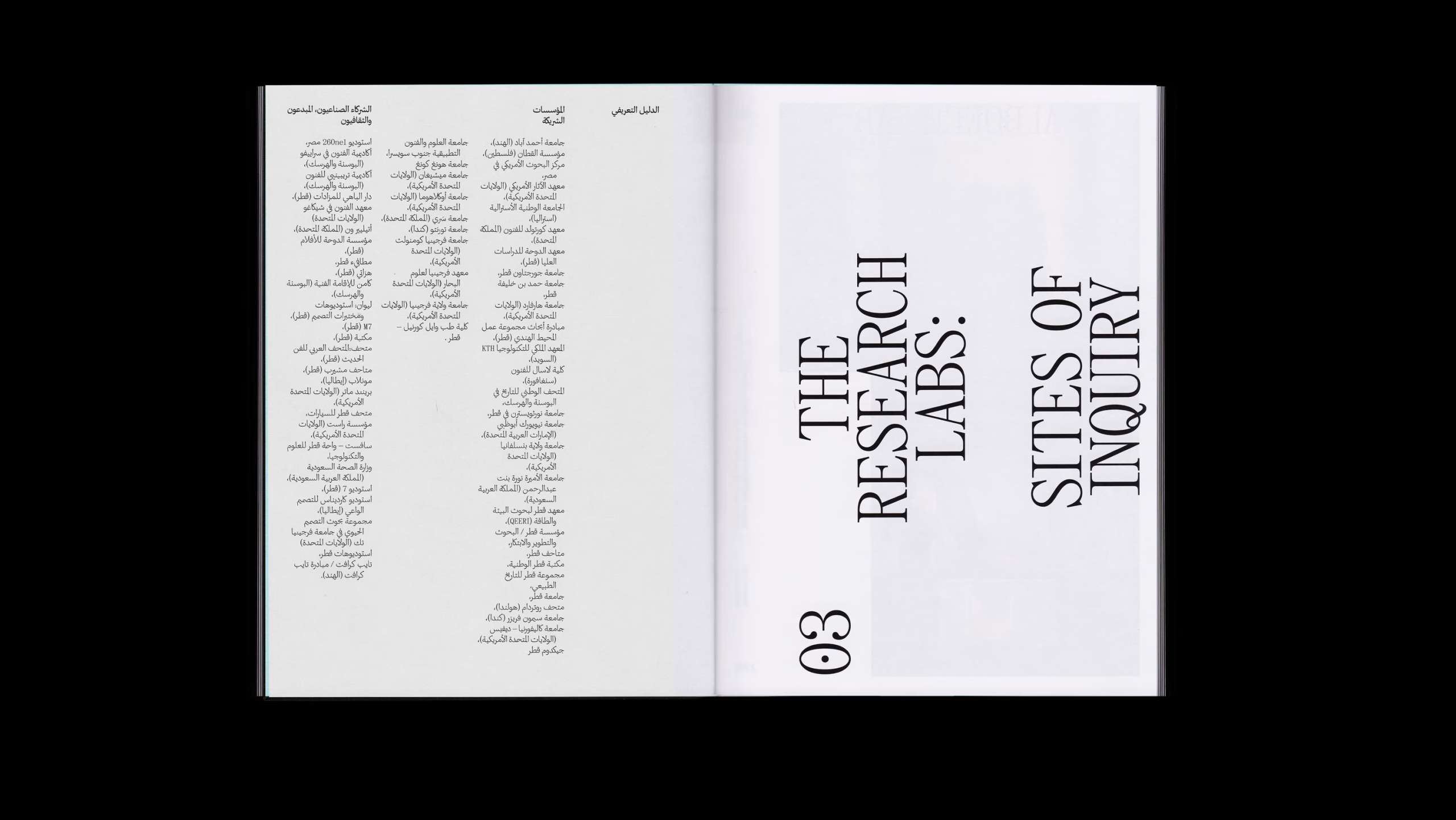
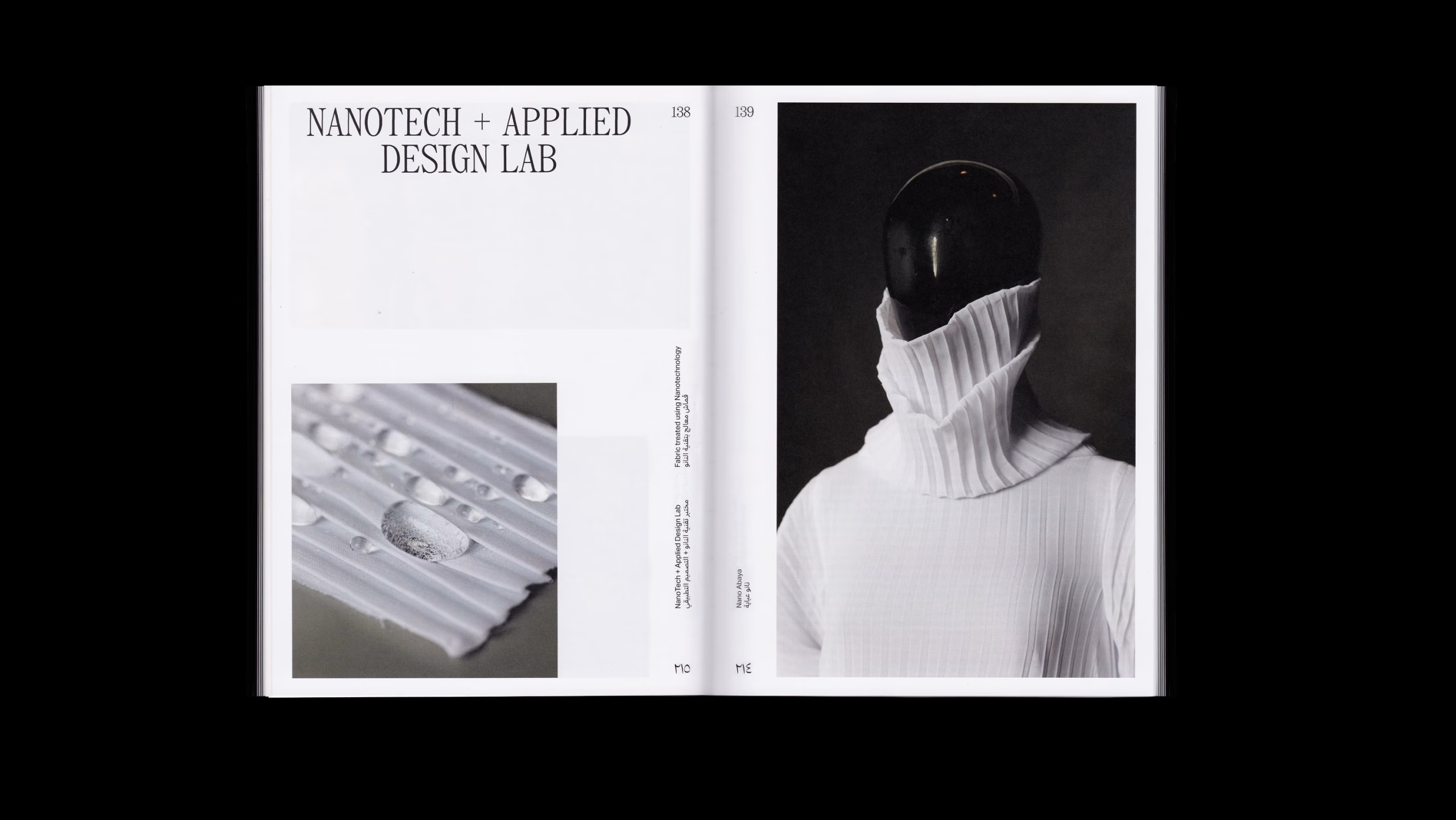
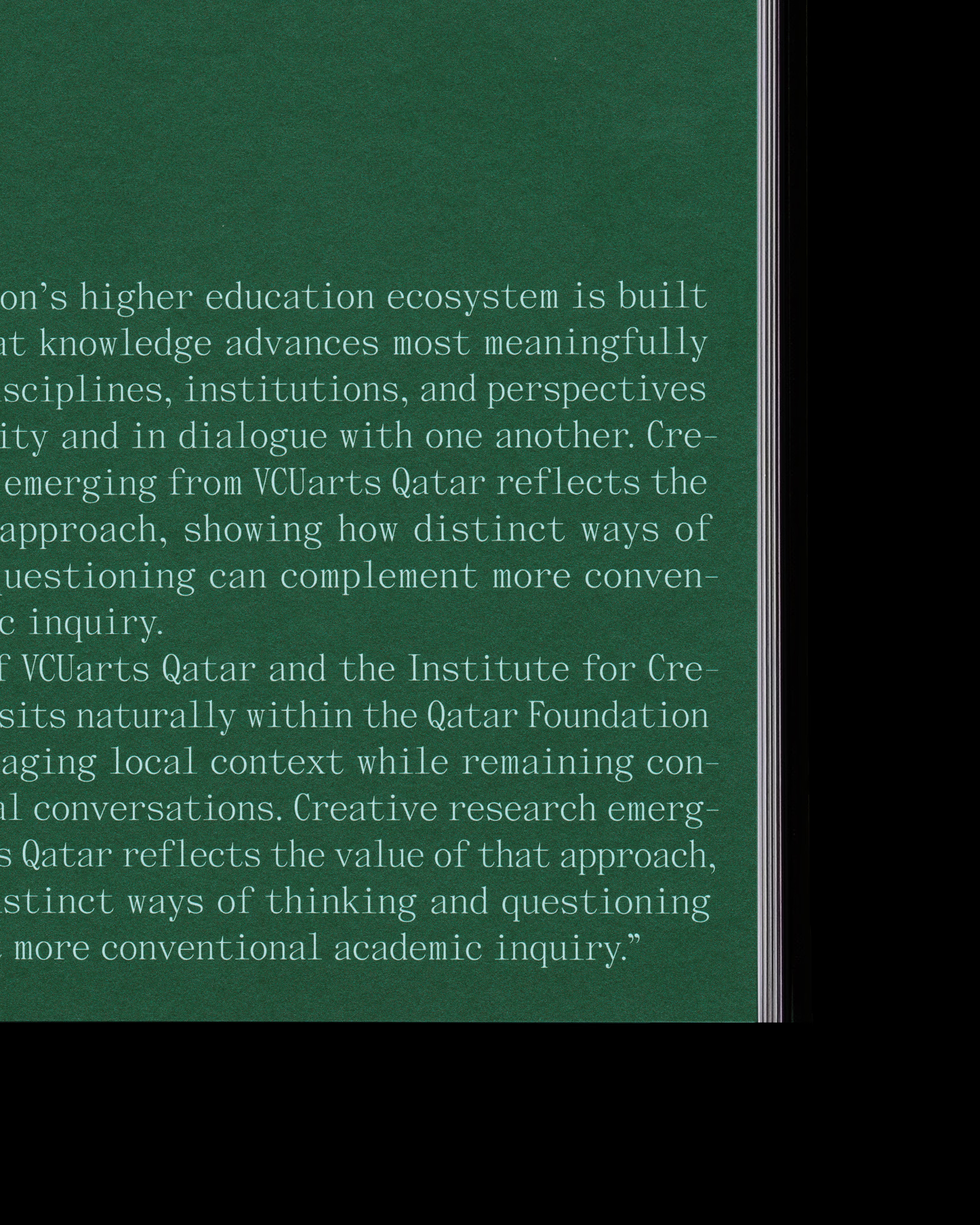
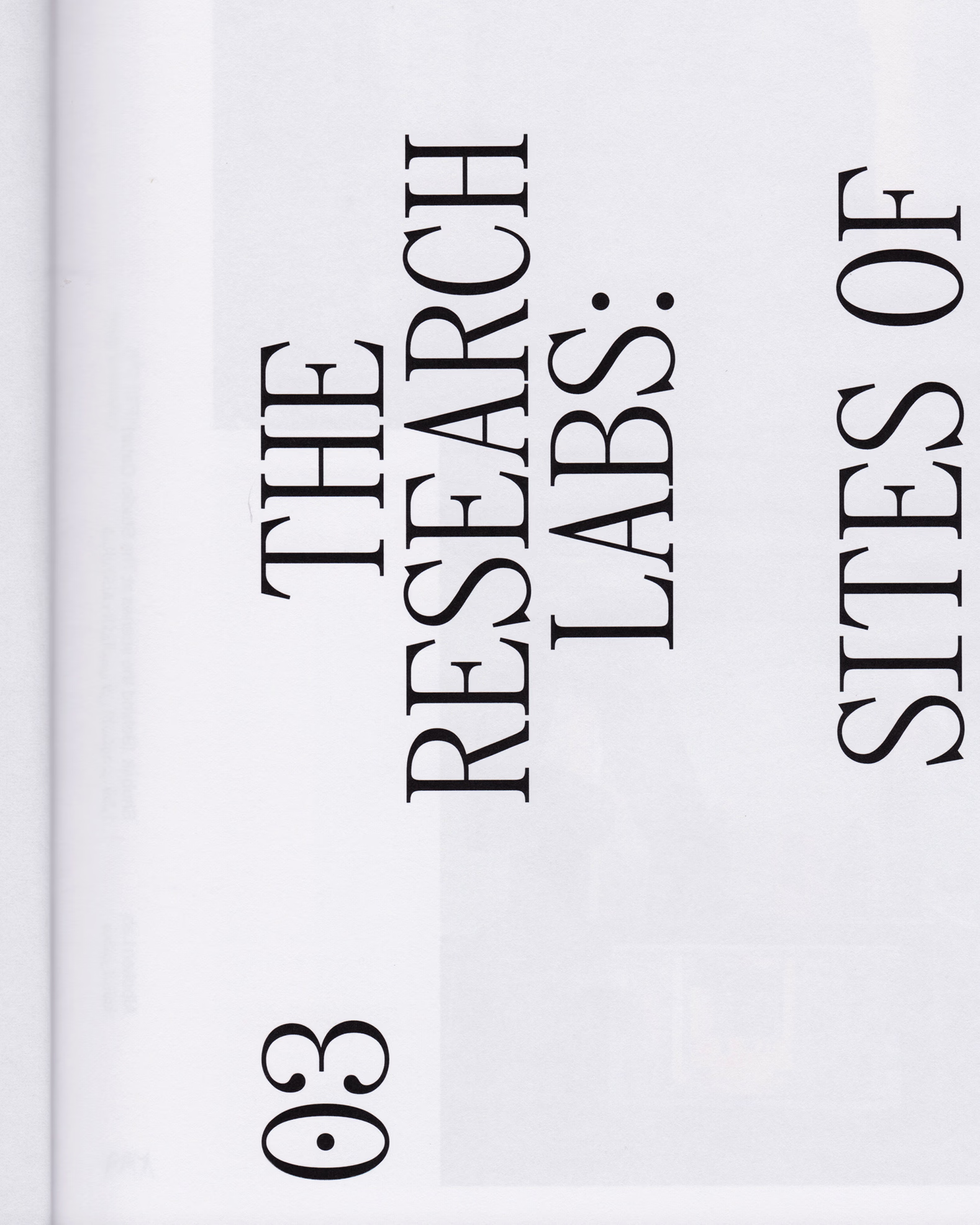
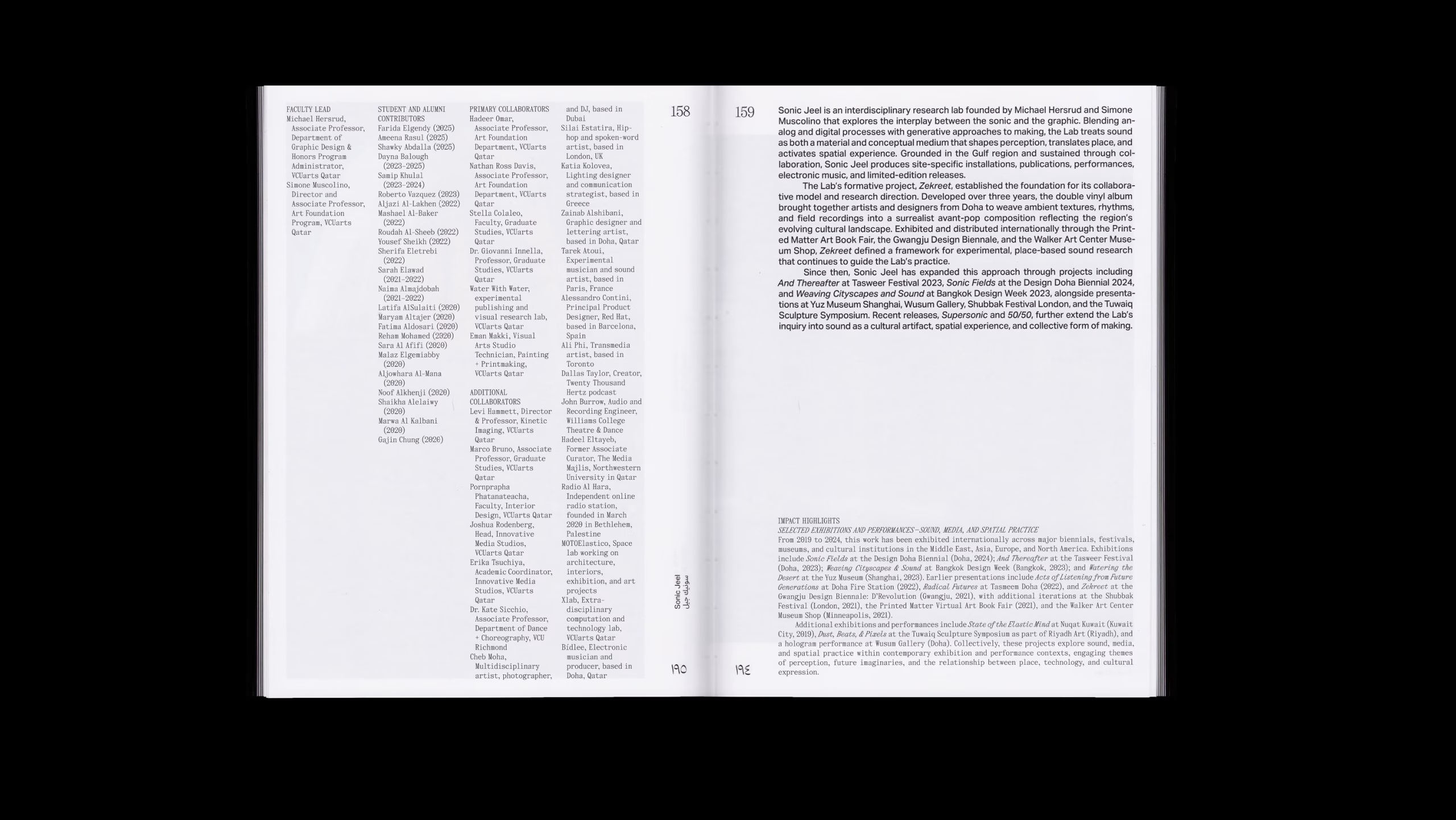
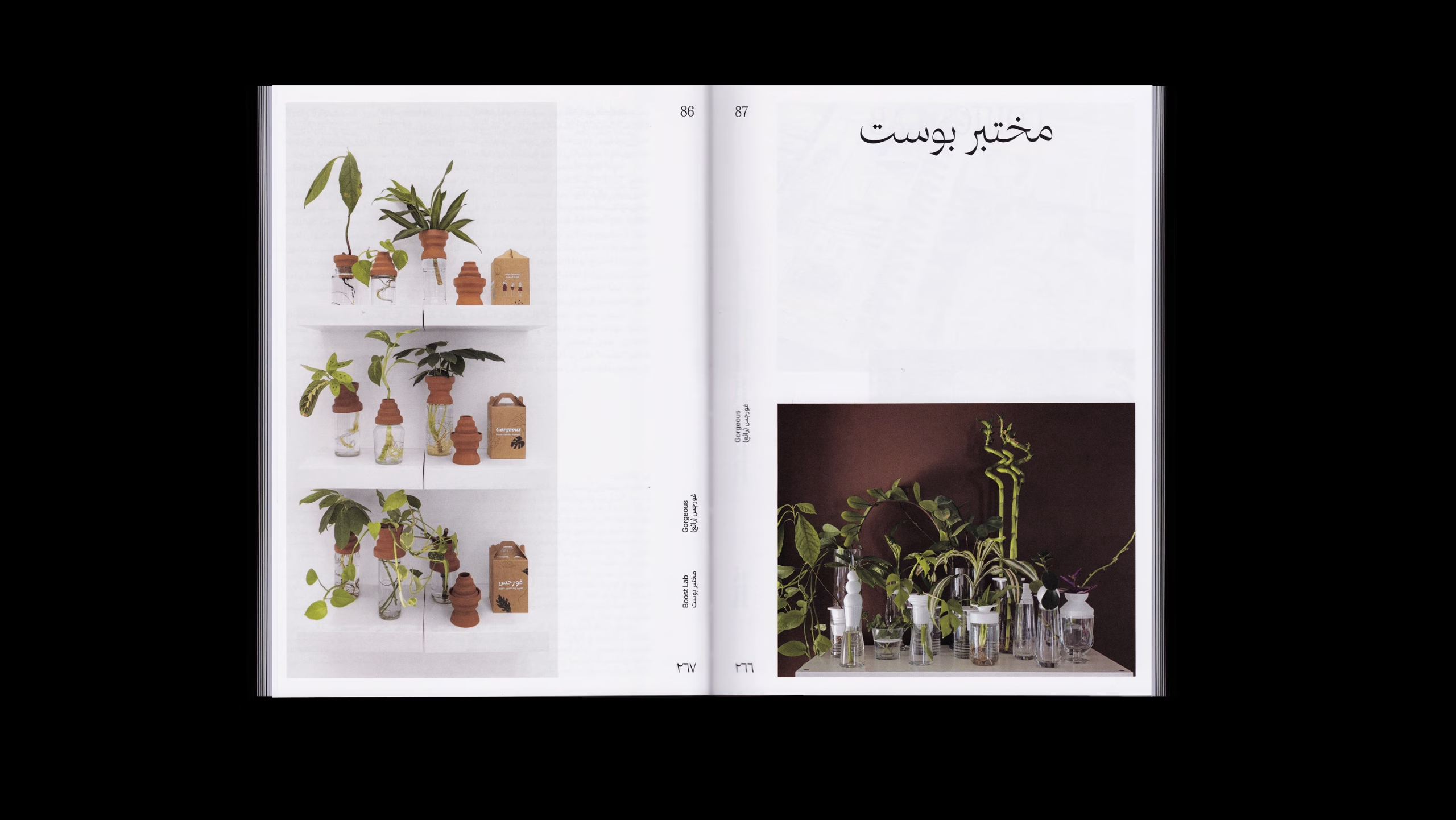
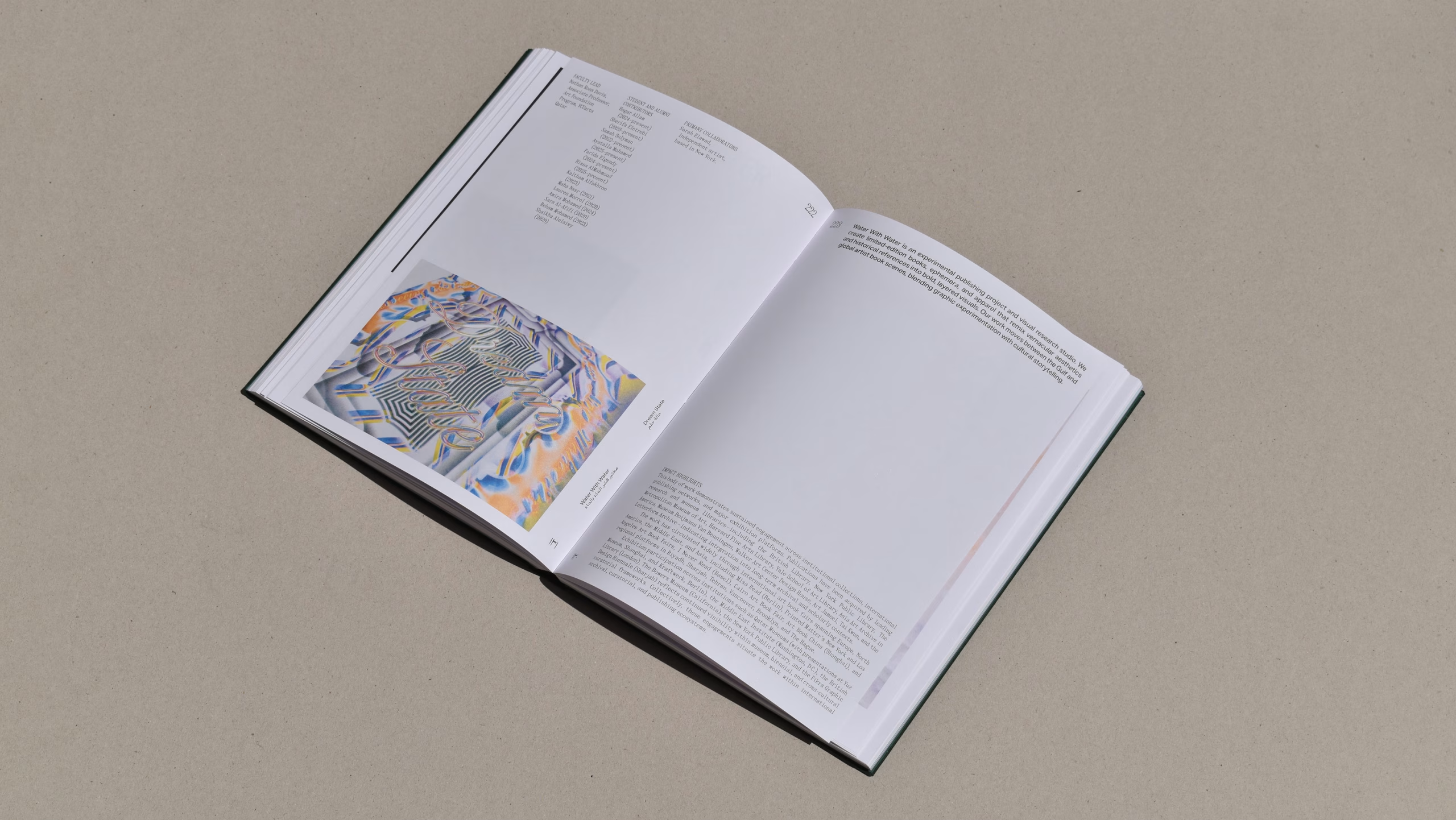
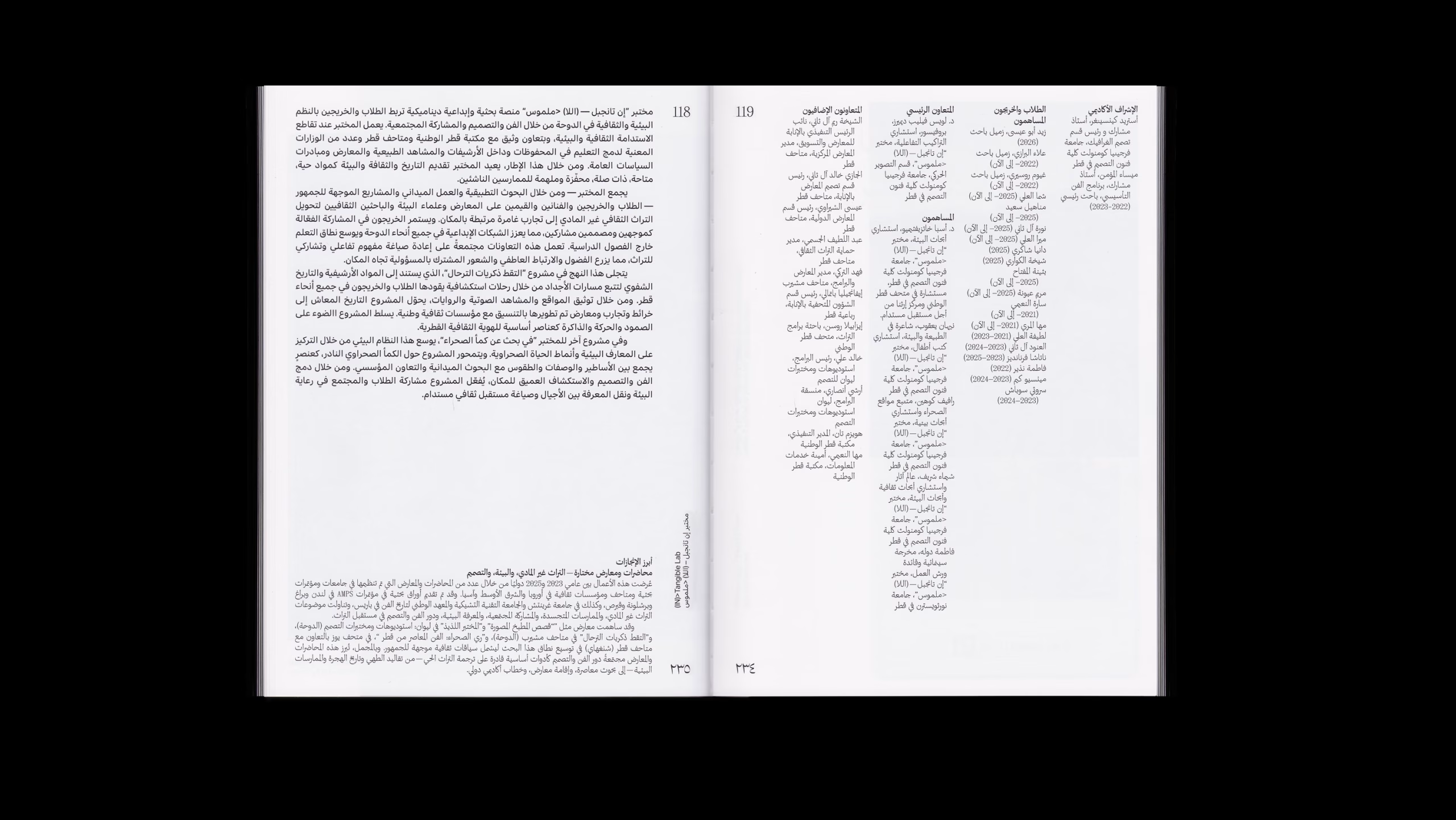
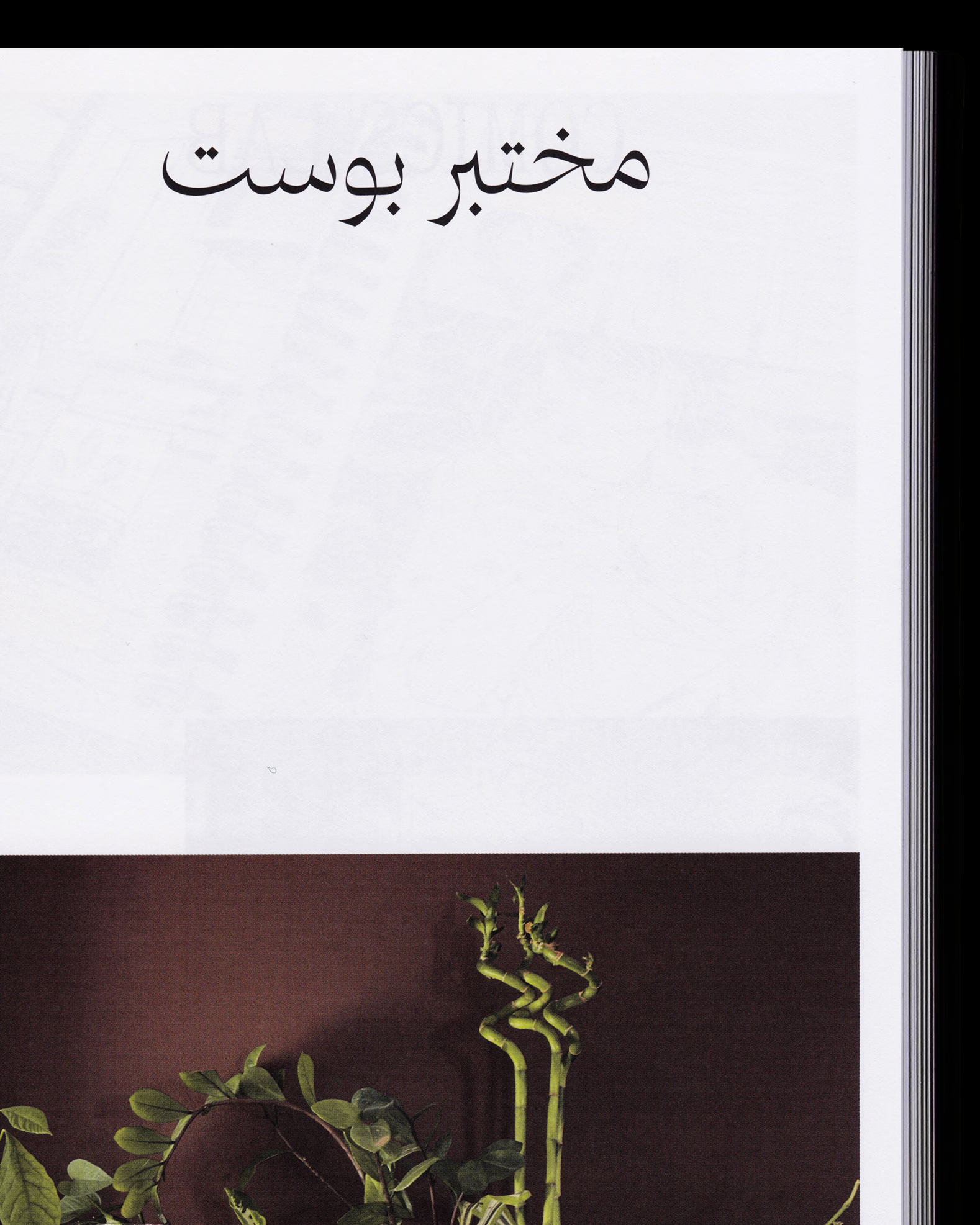
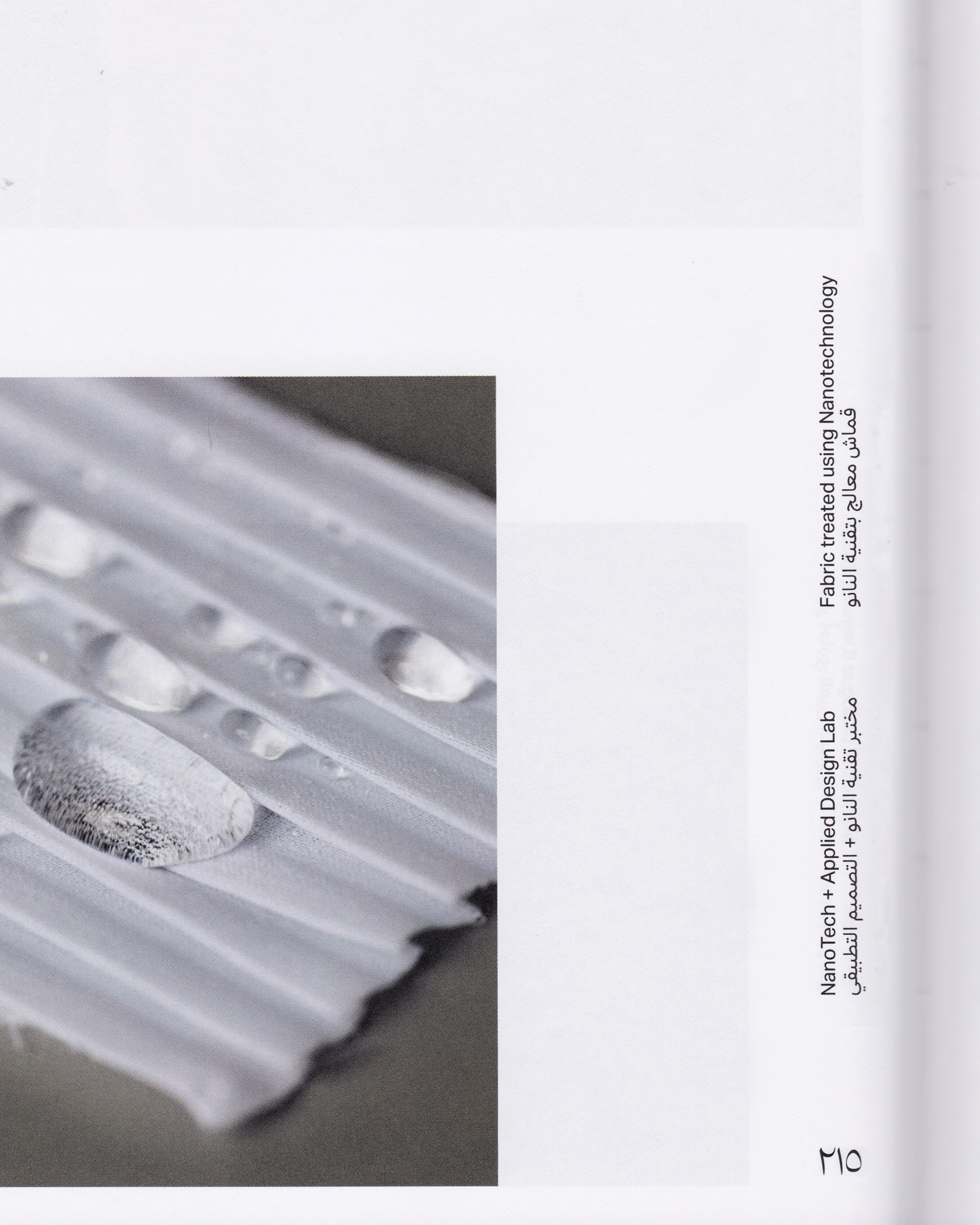
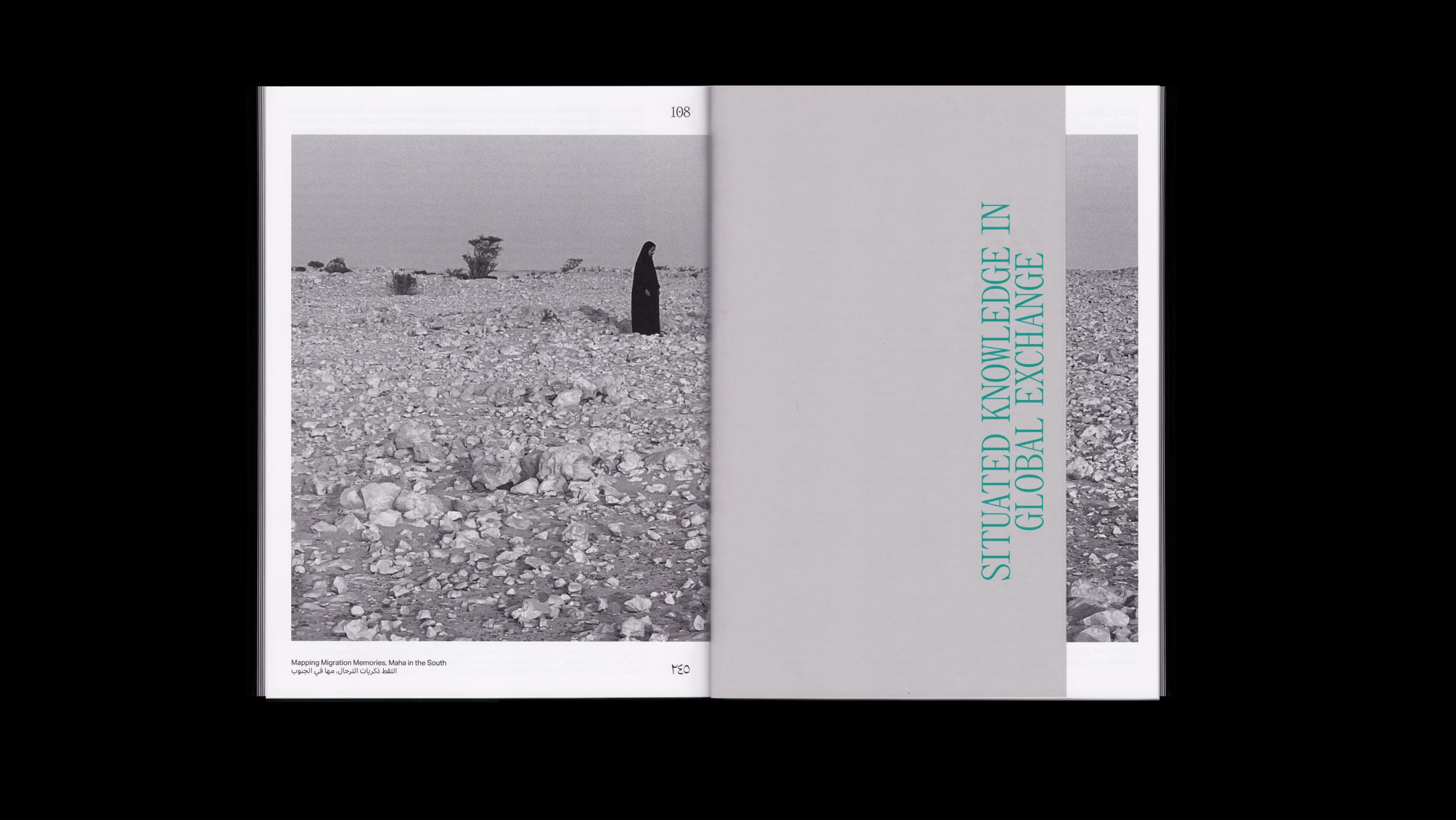
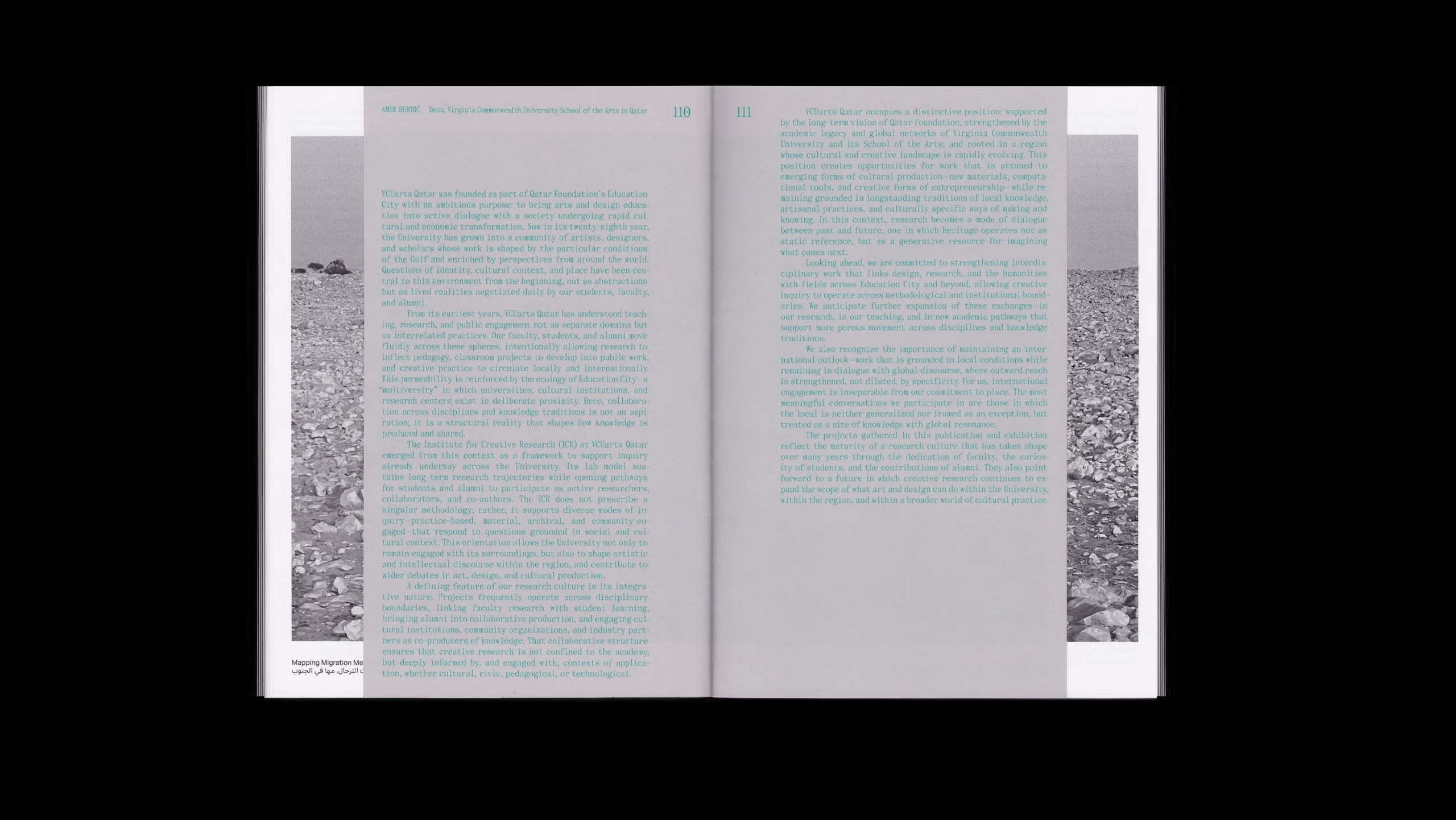
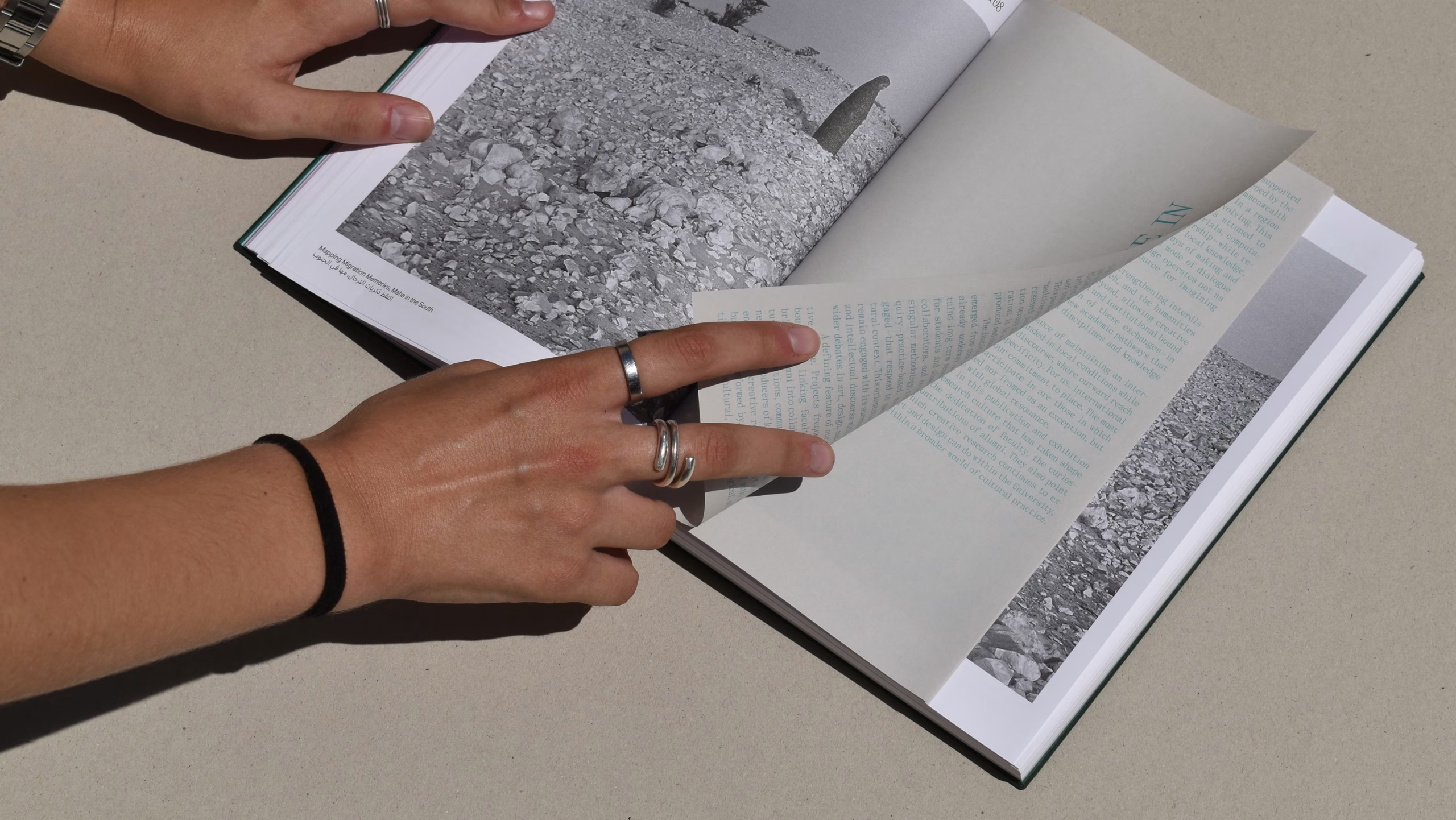
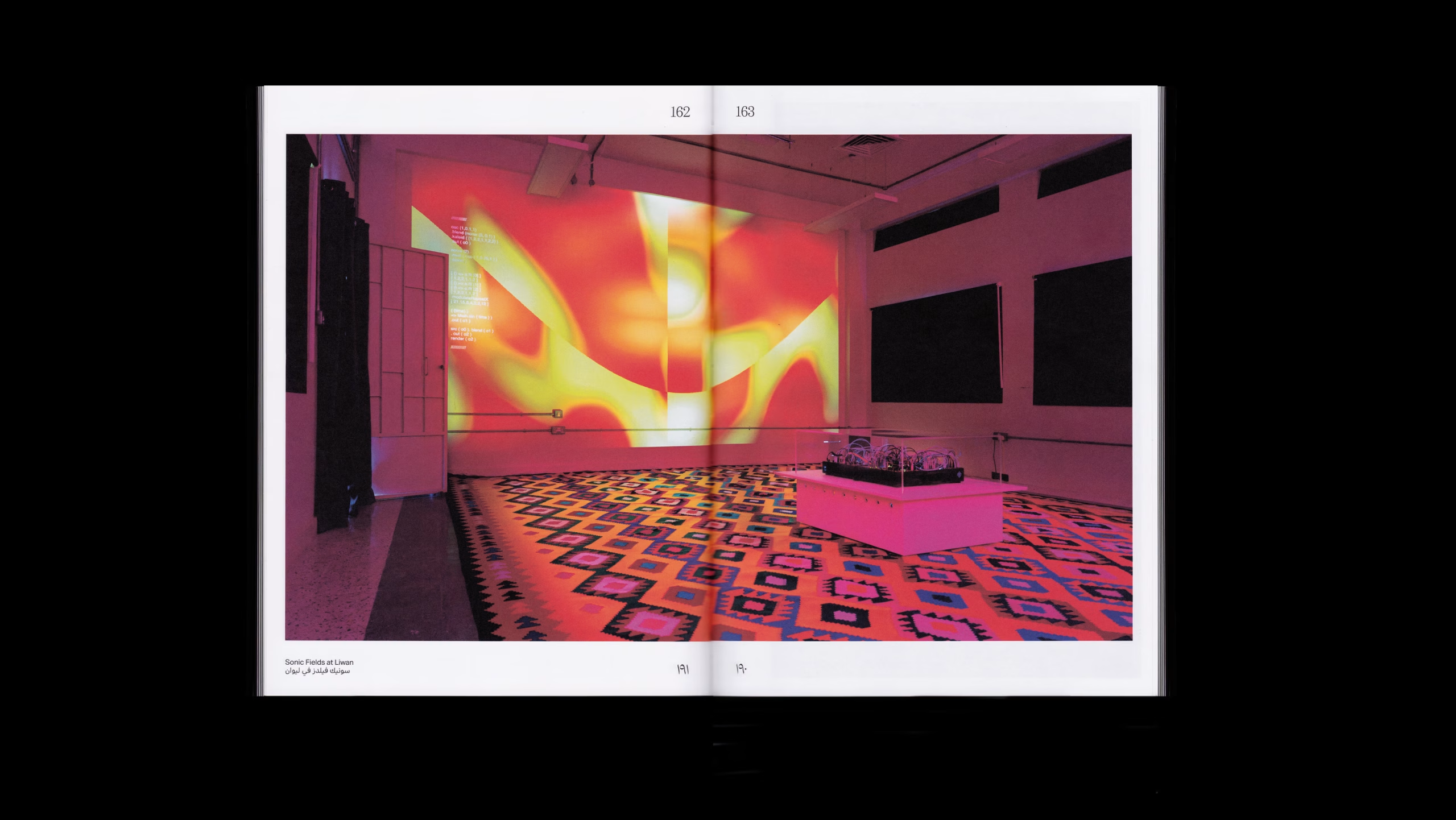
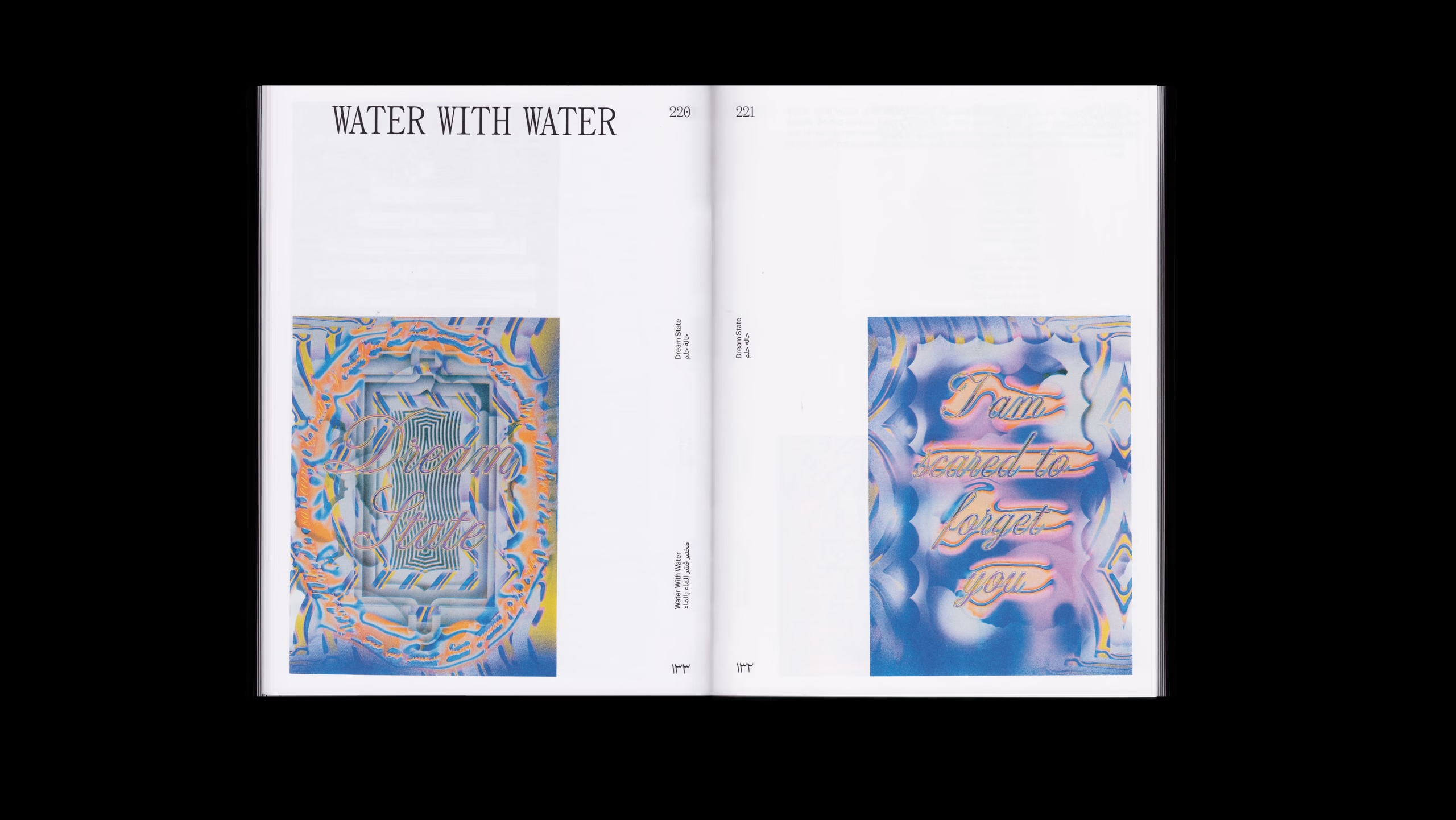
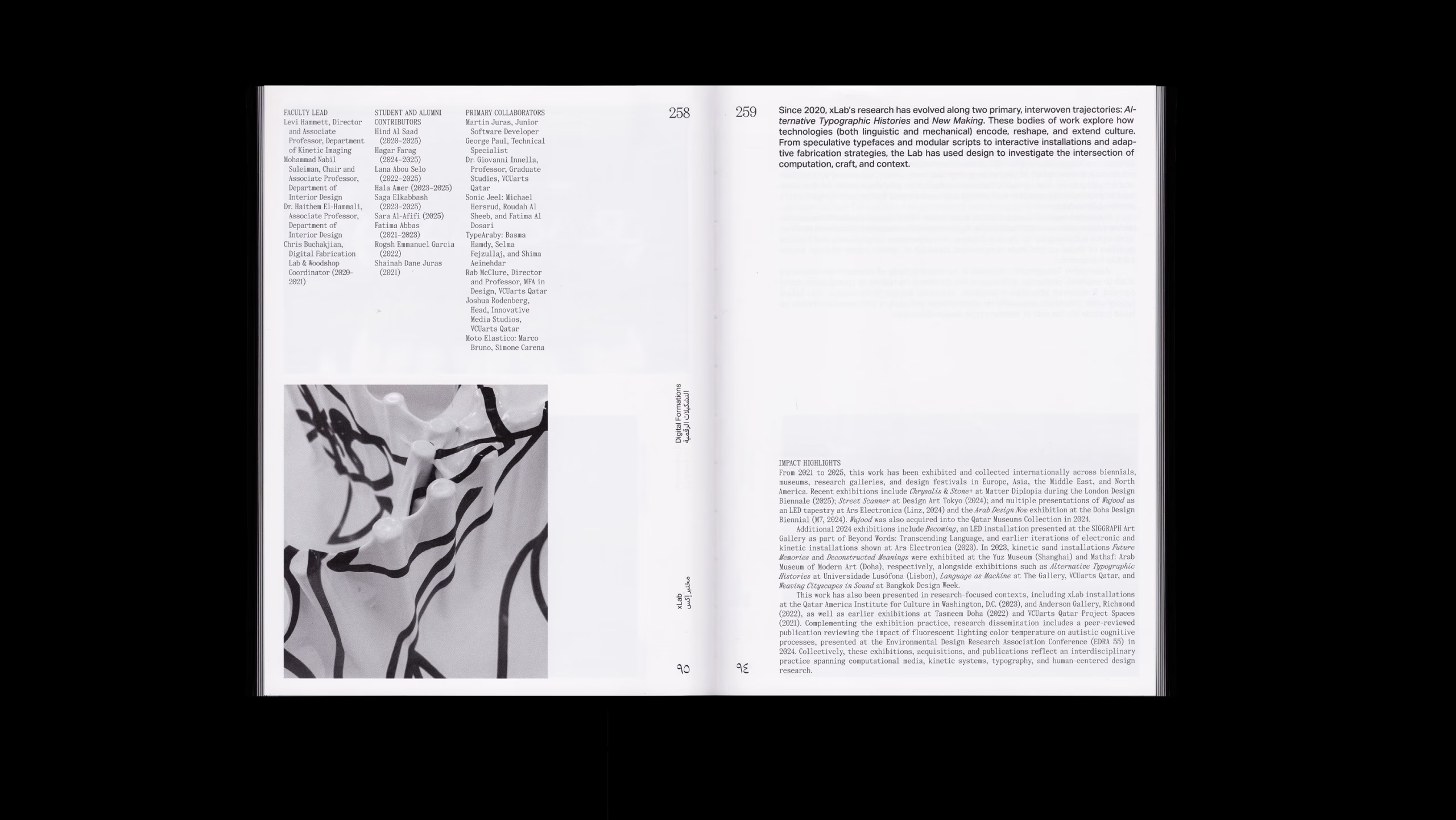
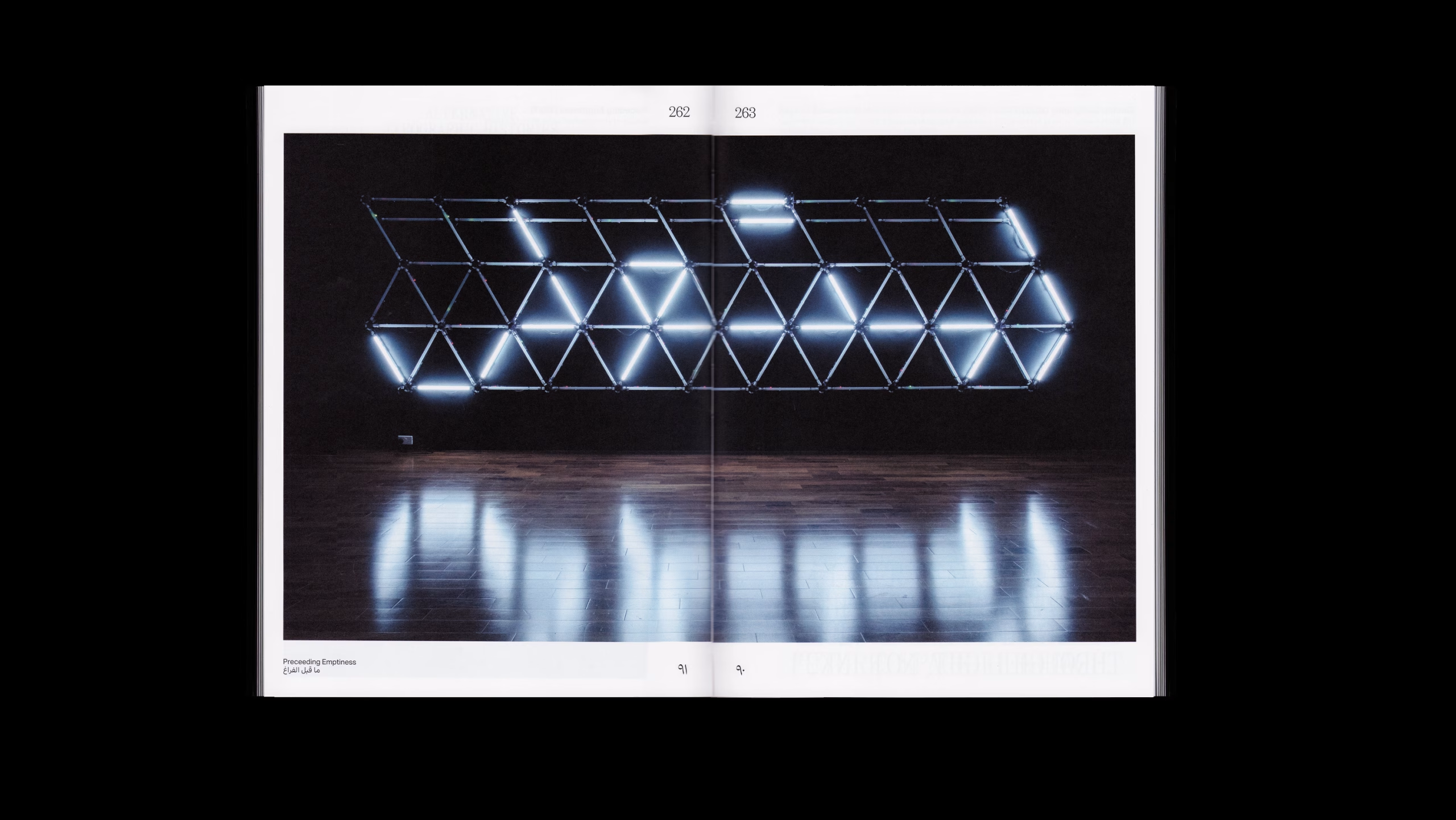
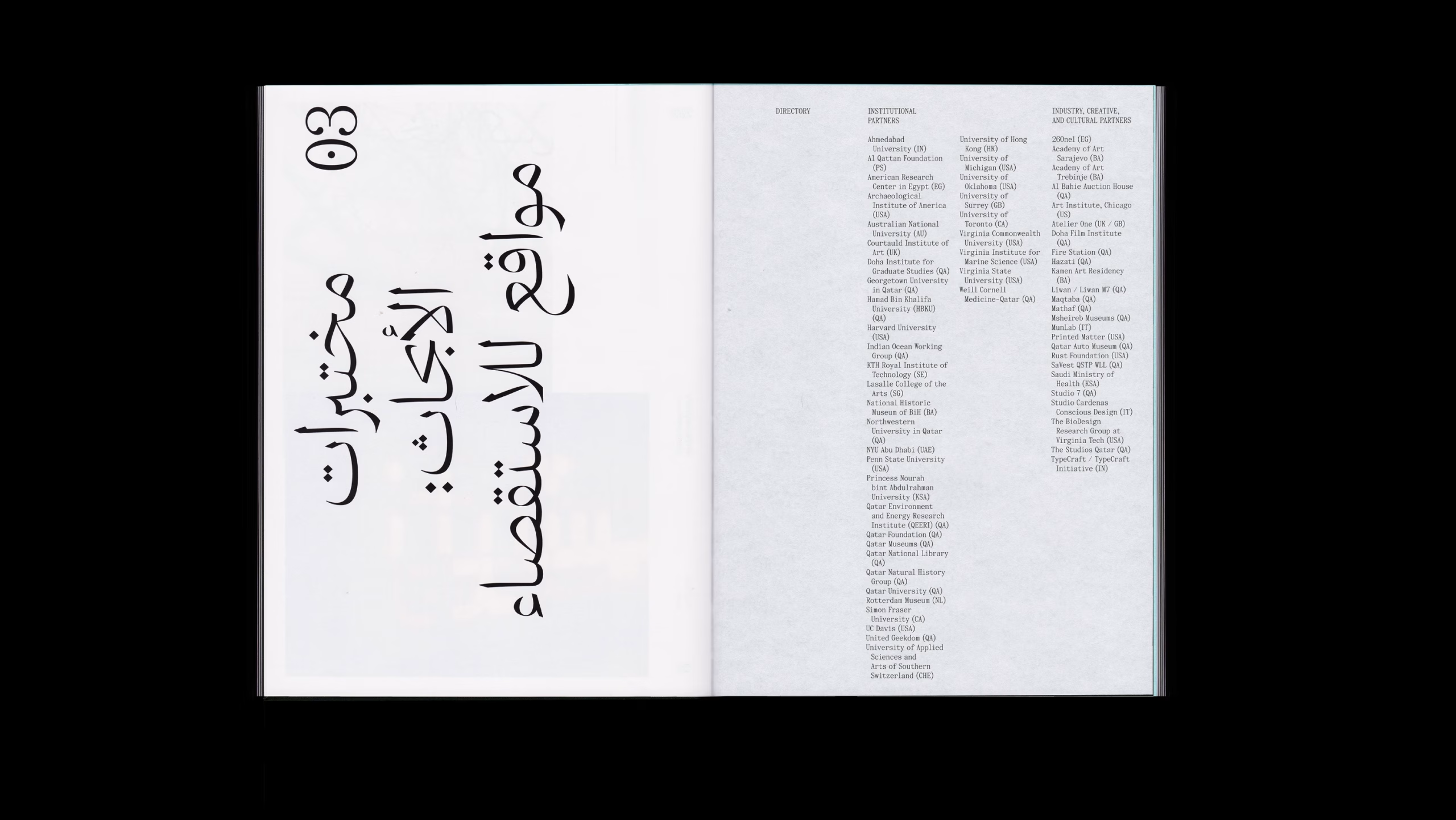
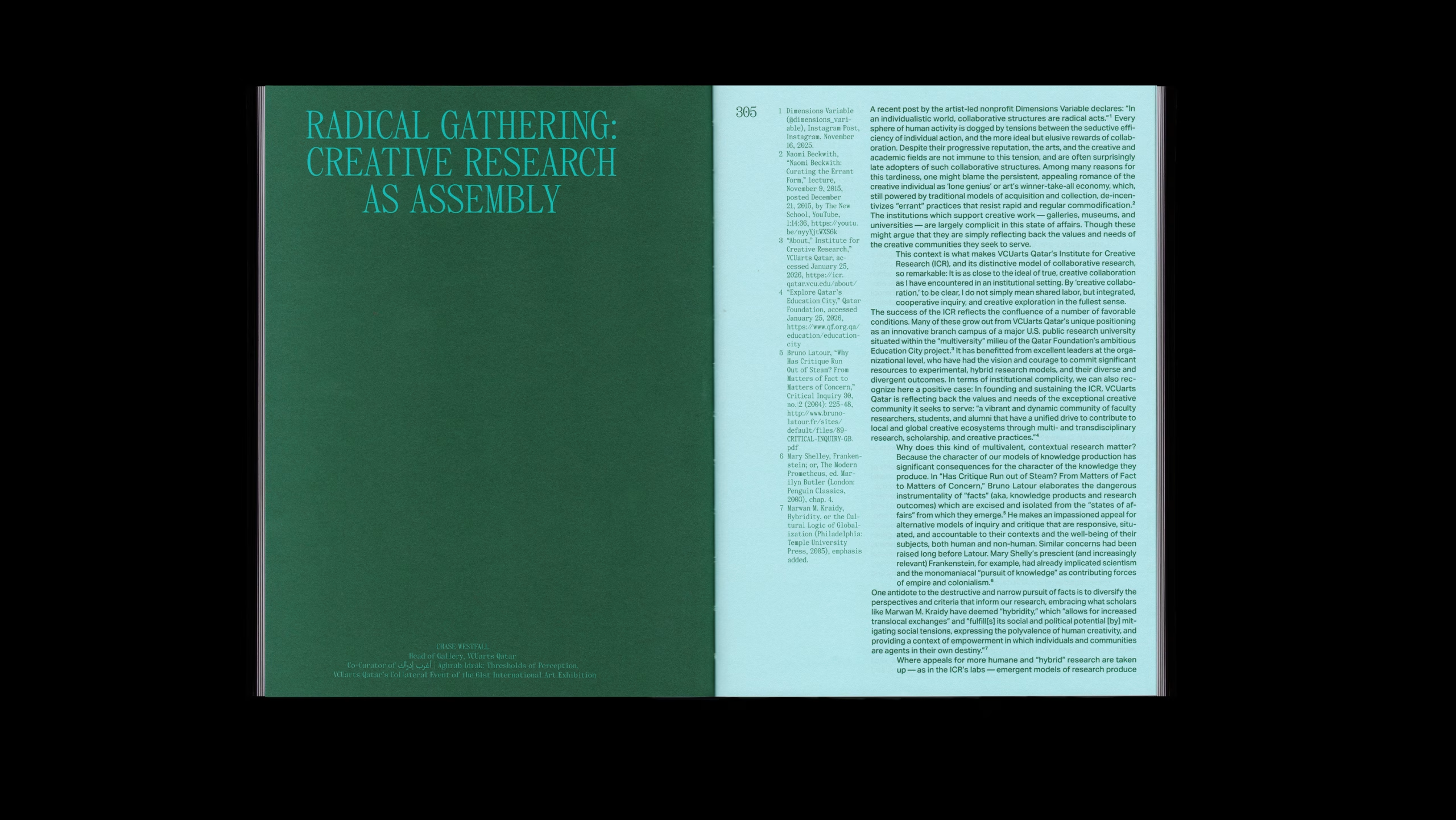
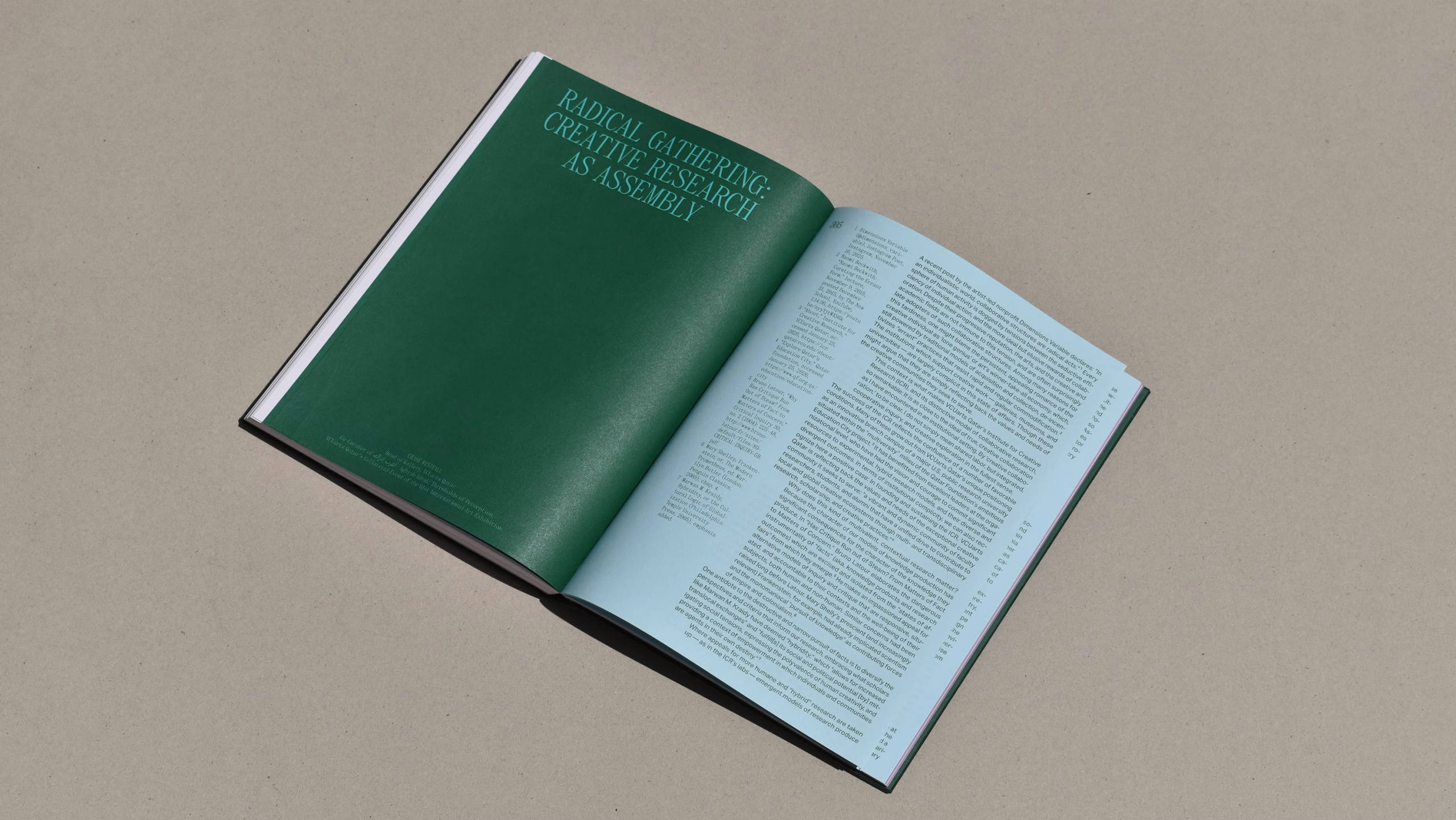
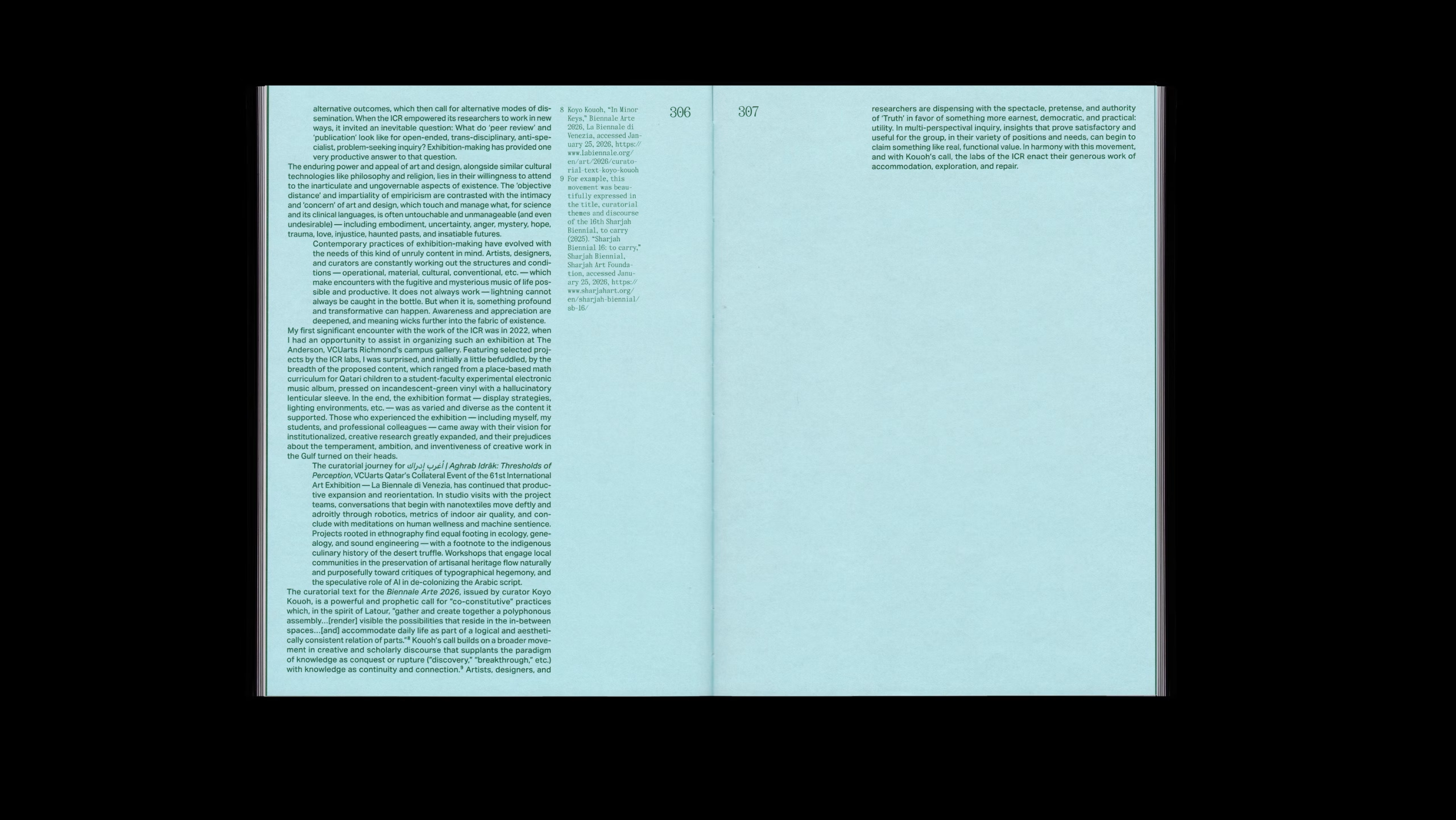
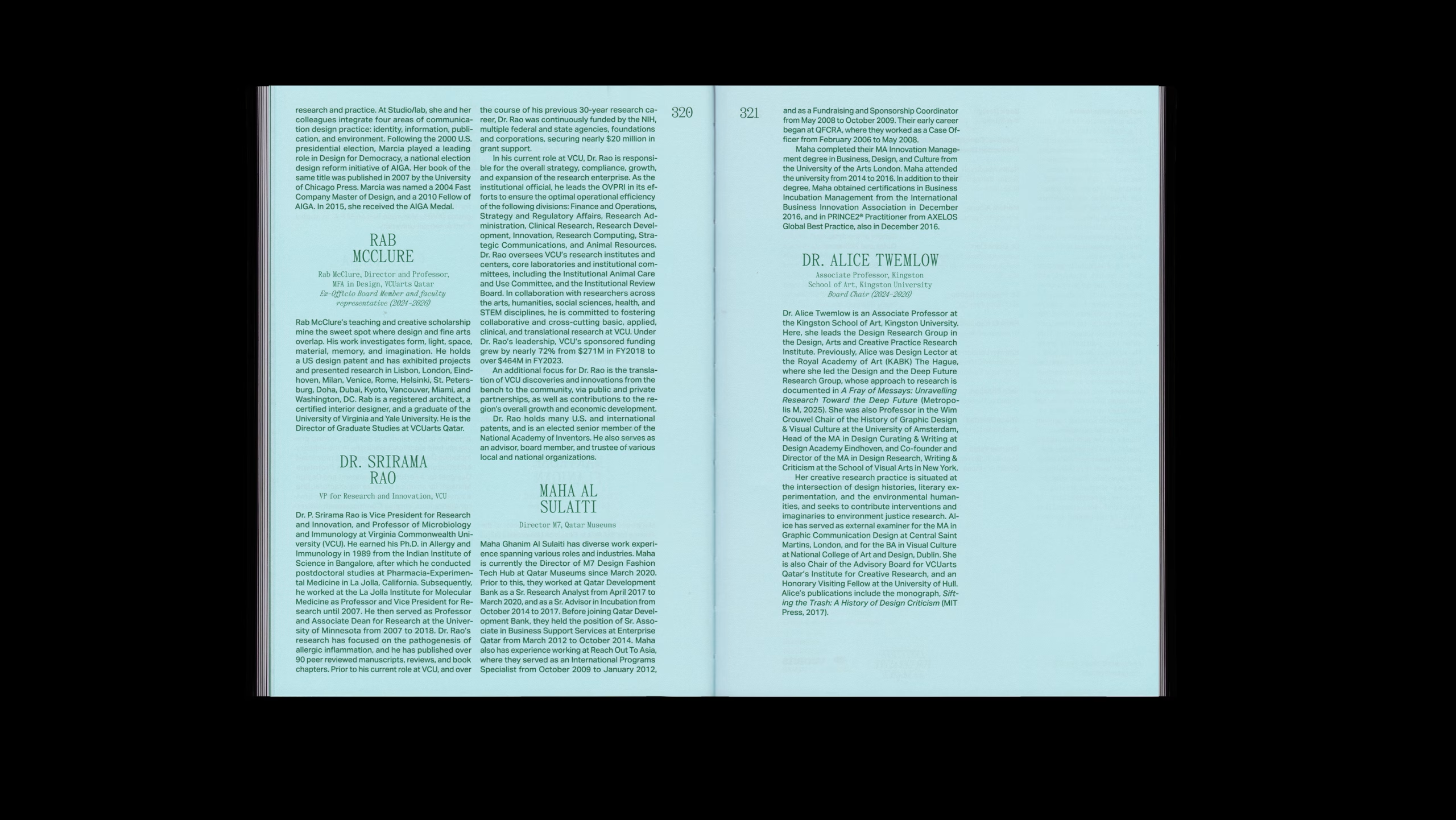
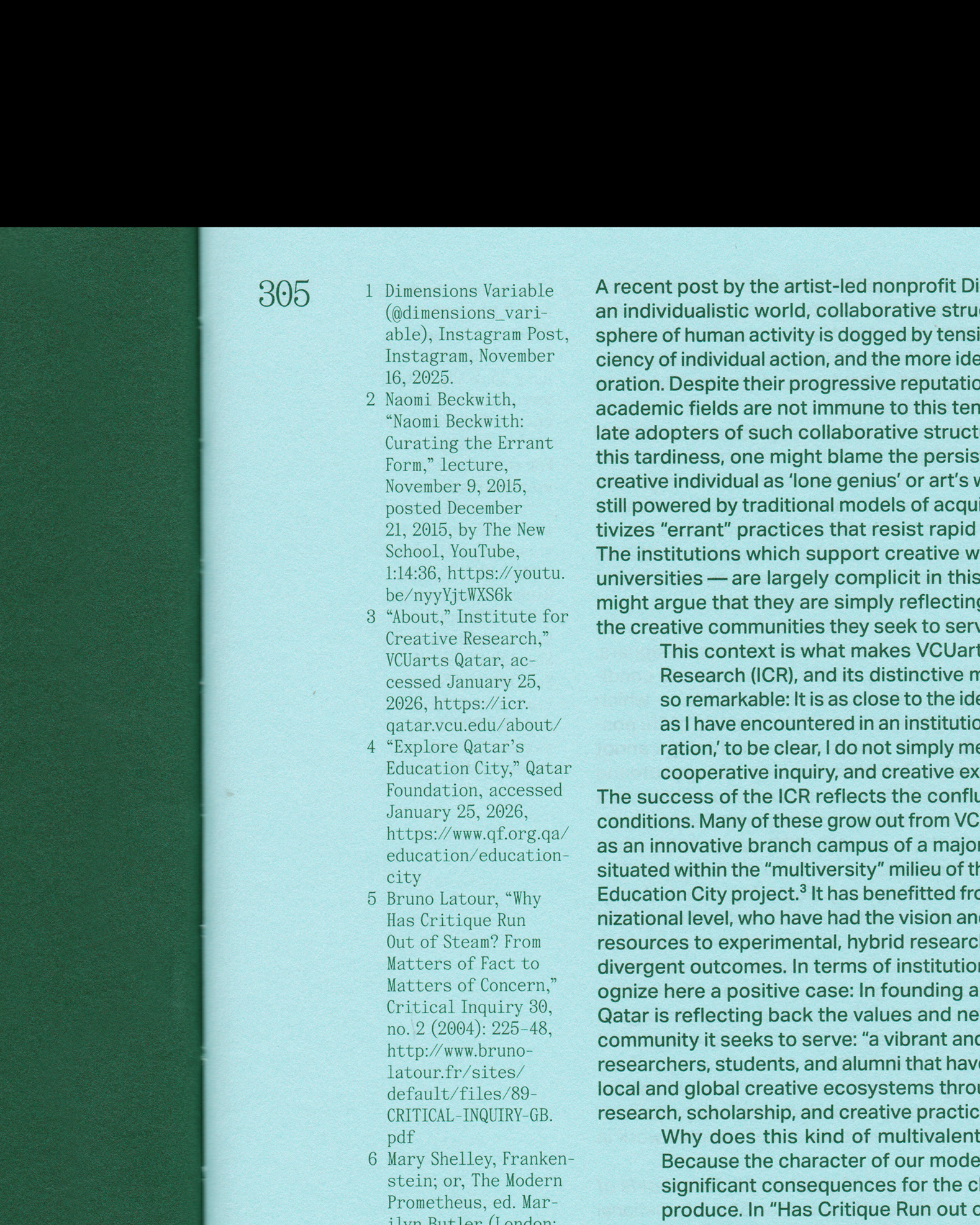
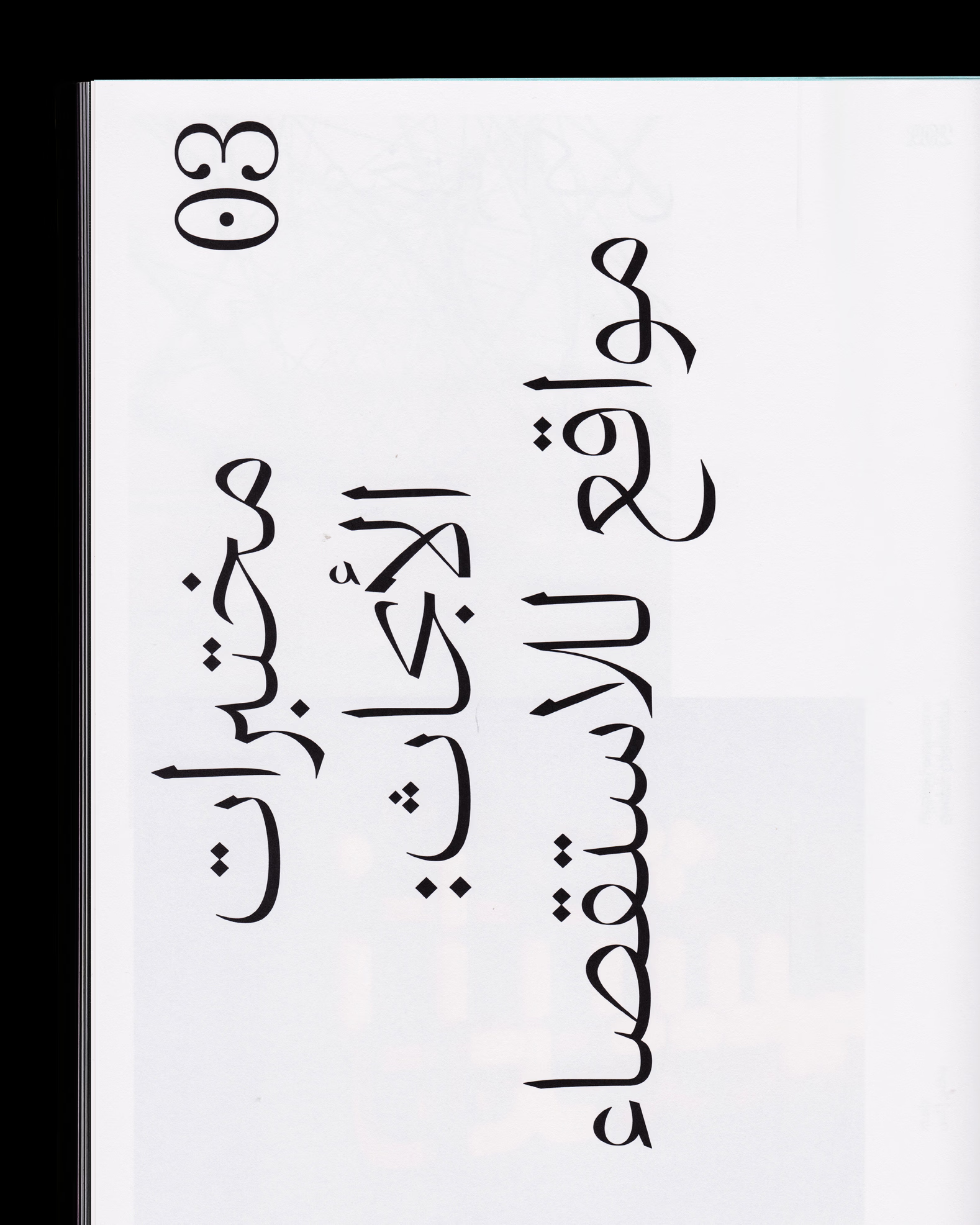
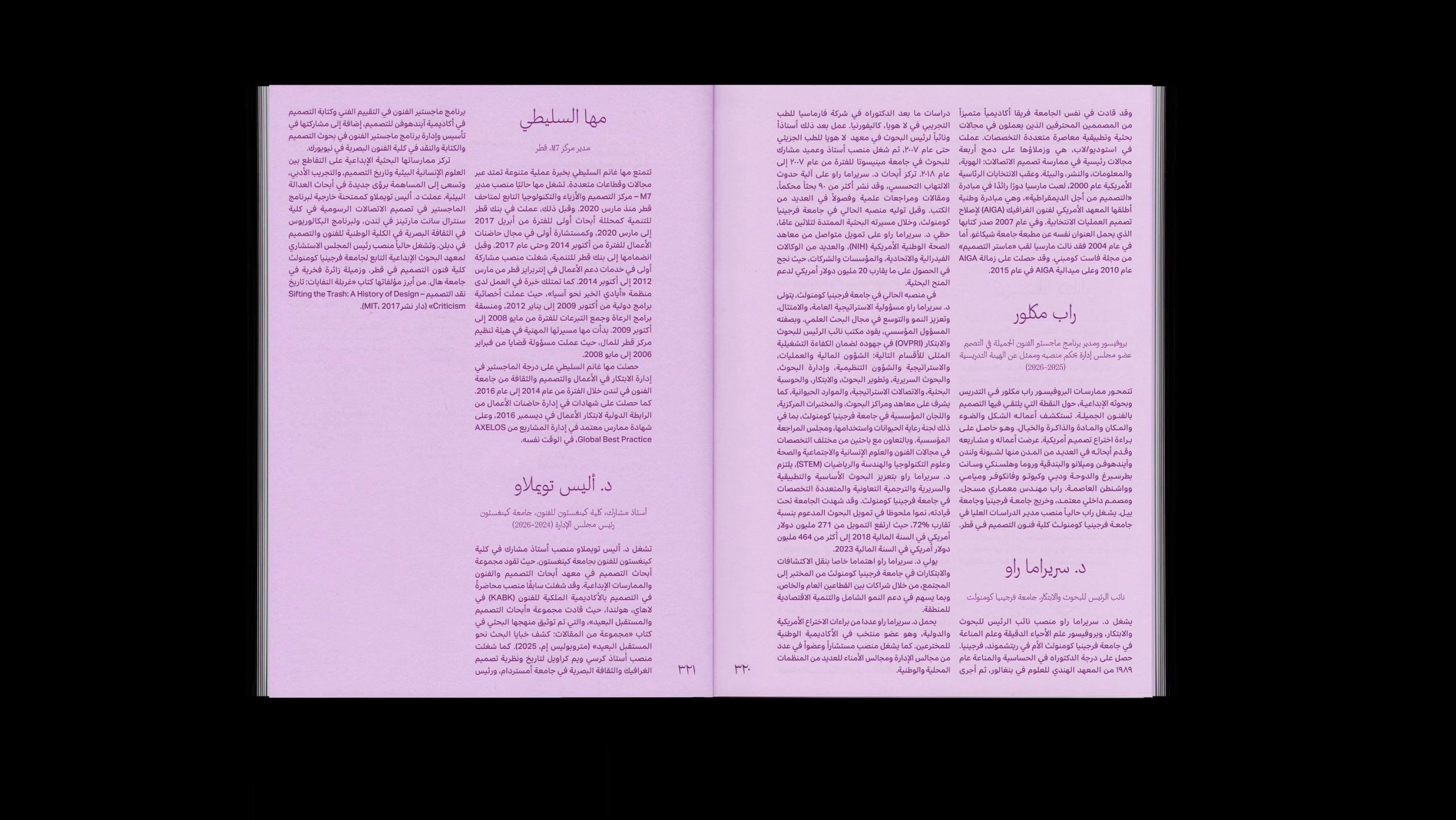
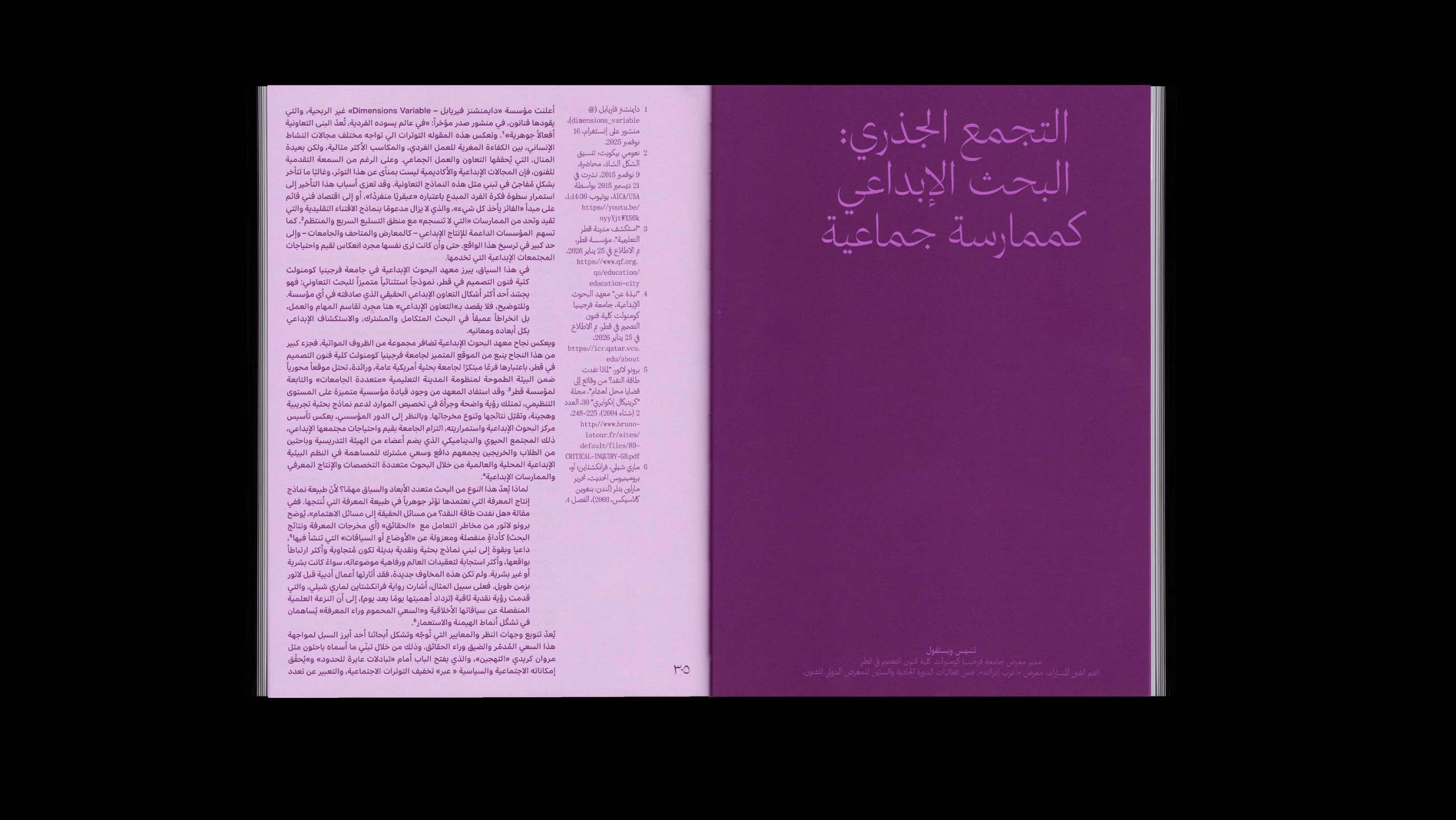
Situated Futures brings together the voices, projects, and perspectives emerging from the Institute for Creative Research (ICR) at VCUarts Qatar. Rather than presenting research as isolated achievements, the publication reflects a culture of inquiry shaped by collaboration, experimentation, and cross-disciplinary exchange. The editorial design foregrounds the book’s bilingual nature—English and Arabic—without privileging either language. Different covers at each end establish the starting point for each reading direction, creating a mirrored structure in which both readers move through opposite sequences of ICR Lab projects before meeting at the centre. The alumni section, featuring students’ testimonials, forms the heart of the book and is distinguished by a shorter book block.Lower-grammage papers in the introductory and closing sections create a tactile transition into the main chapter, while distinct colours guide each language. The hardcover combines fabric and uncoated paper to reflect the institute’s multidisciplinary character. The colour palette, typography, and layout balance the publication’s institutional and celebratory character with an elegant visual language informed by the experimental aesthetics of research, incorporating elements such as monospaced typography and design cues drawn from the labs’ working processes.
Situated Futures [Editorial]
Designed at
V-A StudioYear
2026
Creative Direction
Felipe Regis, João Simões
Editorial Design
Felipe Regis
Situated Futures brings together the voices, projects, and perspectives emerging from the Institute for Creative Research (ICR) at VCUarts Qatar. Rather than presenting research as isolated achievements, the publication reflects a culture of inquiry shaped by collaboration, experimentation, and cross-disciplinary exchange. The editorial design foregrounds the book’s bilingual nature—English and Arabic—without privileging either language. Different covers at each end establish the starting point for each reading direction, creating a mirrored structure in which both readers move through opposite sequences of ICR Lab projects before meeting at the centre. The alumni section, featuring students’ testimonials, forms the heart of the book and is distinguished by a shorter book block.Lower-grammage papers in the introductory and closing sections create a tactile transition into the main chapter, while distinct colours guide each language. The hardcover combines fabric and uncoated paper to reflect the institute’s multidisciplinary character. The colour palette, typography, and layout balance the publication’s institutional and celebratory character with an elegant visual language informed by the experimental aesthetics of research, incorporating elements such as monospaced typography and design cues drawn from the labs’ working processes.